








Creator Interview

-Musician-
In A Brooklyn Studio,
G-SHOCK Becomes Music
Music is one of the most powerful ways to express what can’t be seen.
Joel Ross, a musician and composer often described as one of the leading vibraphonists of his generation,
brings that invisible world into sound.
Religion, emotion, culture. He translates what can’t be seen into music.
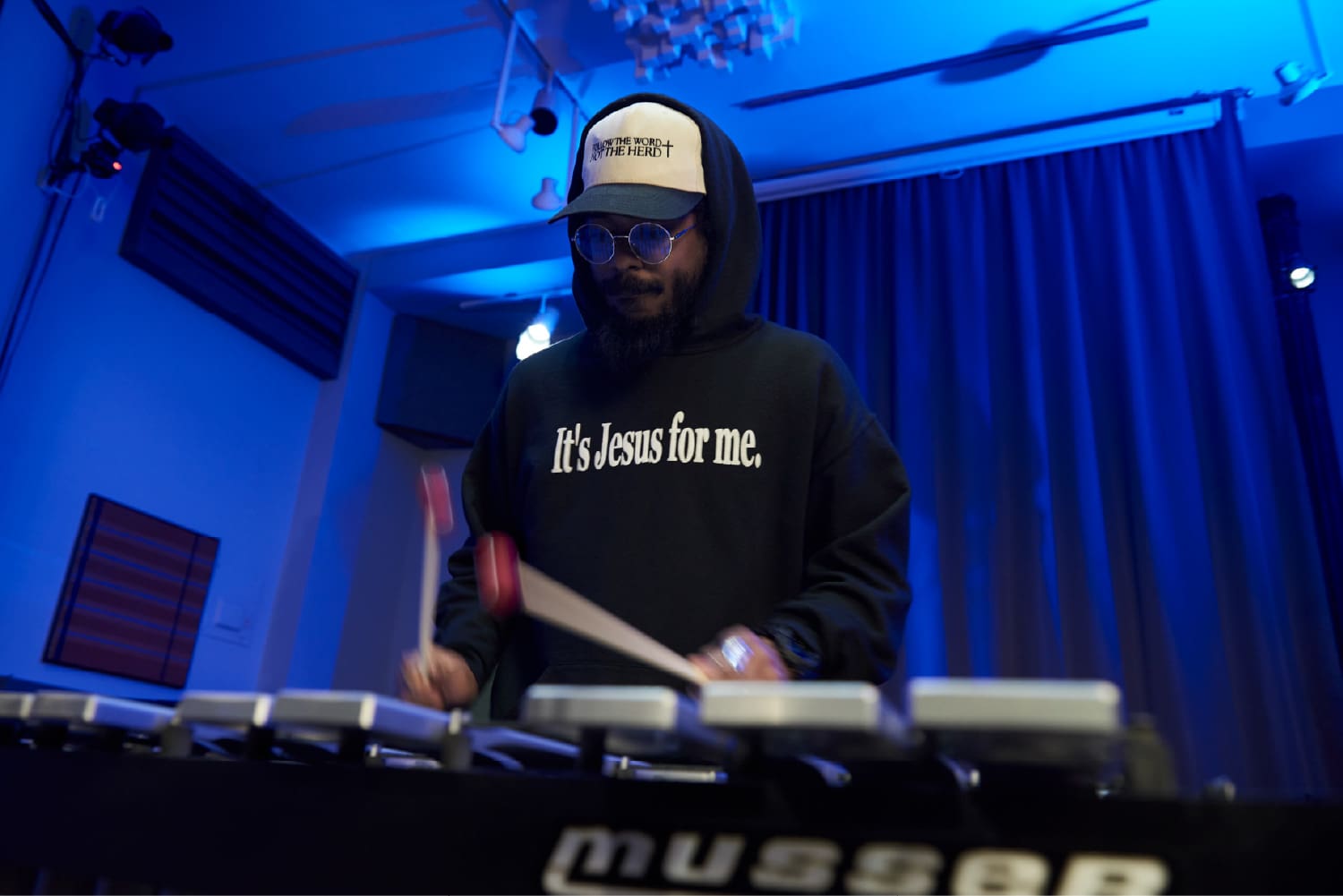
What keeps him creating? Through an improvised performance inspired by G-SHOCK,
we get a glimpse into the source of his ideas.
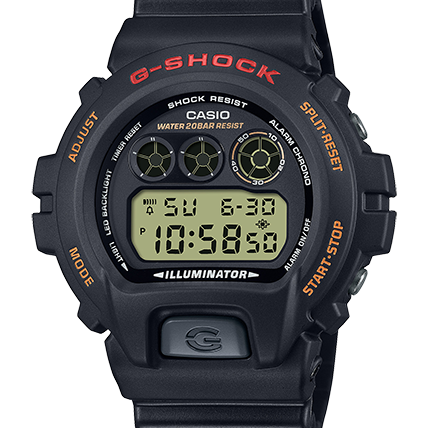
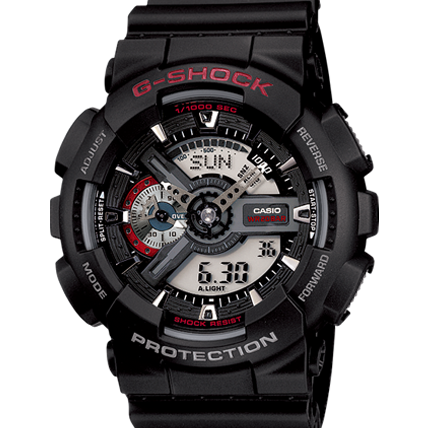
Special Sound Inspired By G-SHOCK GA-110
Interview movie

Interview
Beyond Fame Or Money,
Staying True To Himself
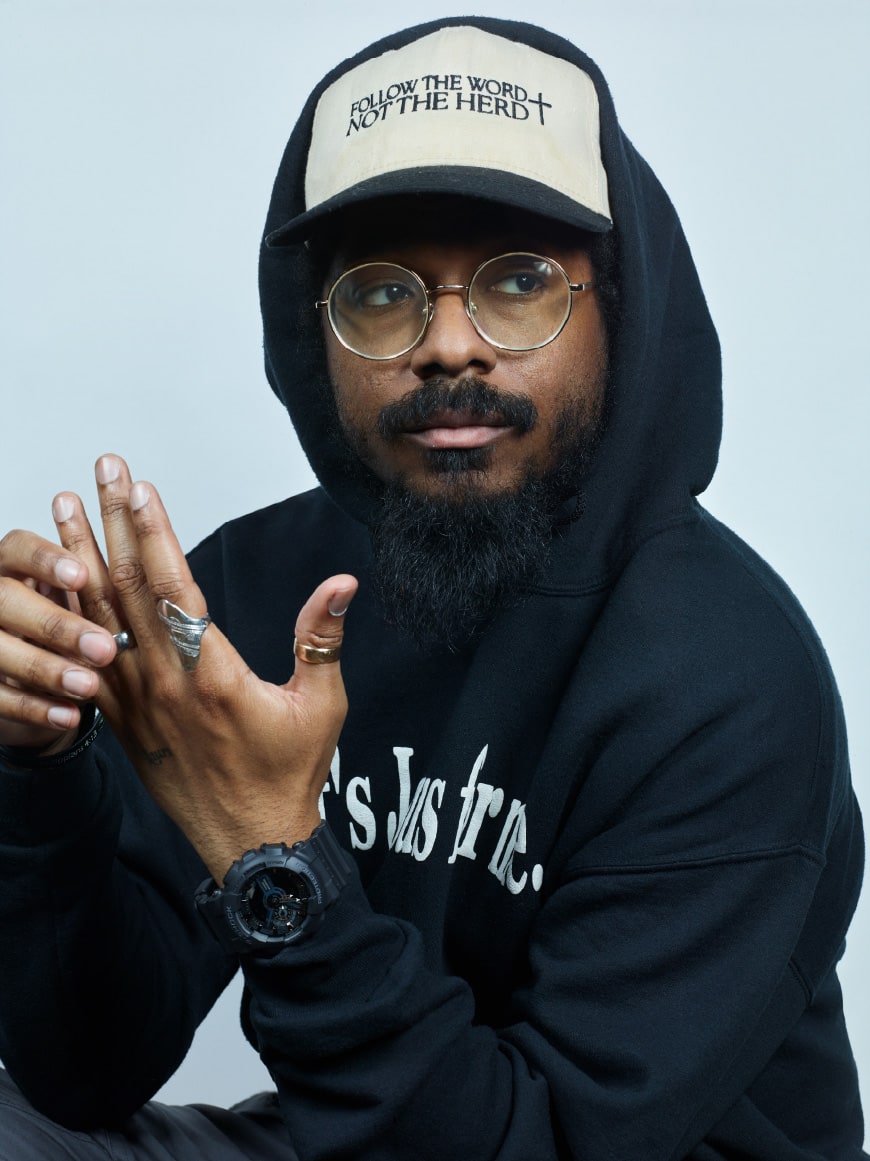
Jazz began in New Orleans, moved to Chicago through the rise of Louis Armstrong, and later found its center in New York with figures like Duke Ellington, where it continues to evolve today. Joel Ross, a vibraphonist born in Chicago and now based in New York, continues to lead in a scene where new talent constantly comes and goes. He has released four albums with Blue Note Records, and his latest, “Gospel Music”, explores a new approach to expression through a reinterpretation of the Bible. What drives his curiosity and creativity? We spoke with him in his Brooklyn studio, with the clear, resonant sound of the vibraphone in the background.
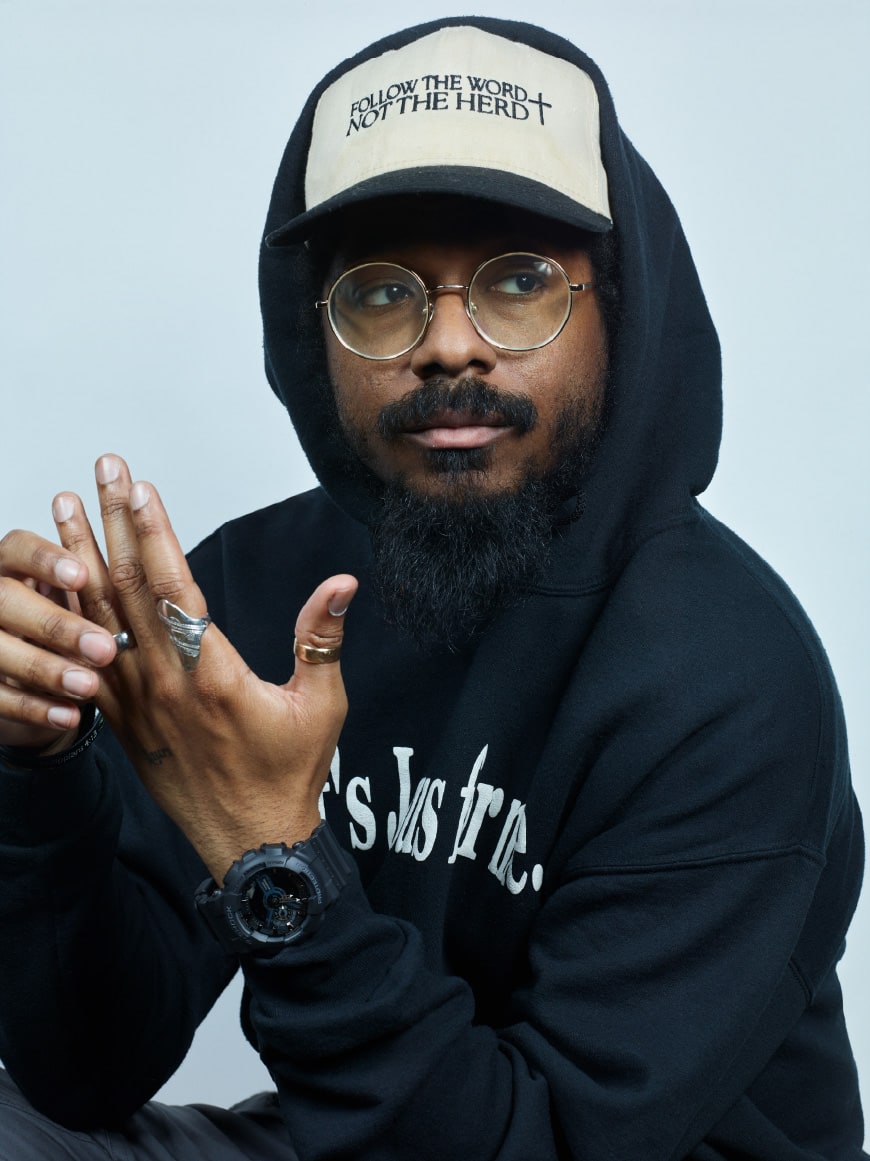
―― How did you first come to the vibraphone, and what do you love about it?
I started out playing drums with my twin brother Josh when we were about two, mostly in church. Around ten, I began playing mallet instruments like the xylophone and orchestral bells through a school program. When I auditioned for Chicago’s All-City Jazz Program, one of the judges strongly
encouraged me to switch to the vibraphone. I wanted to audition on drums, so I didn’t like the idea at first, but that push ended up changing everything. What I love most about the vibraphone is how it brings together two instruments I’ve always loved, the drums and piano. It requires the technique of a percussion instrument, but lets you play harmony like a piano. It’s a perfect blend of both worlds.
―― What led you to move from Chicago to New York?
It started with a program I joined in my senior year of high school called the Thelonious Monk Institute. The musicians I met there, people my age, all said the same thing, that they were going to New York. I felt strongly that I needed to be in a place where I could grow alongside people like that. They had a different perspective from what I had experienced in Chicago. Meeting my mentor, vibraphonist Stefon Harris, was also a big turning point. He was living in New Jersey at the time, and in order to study with him, I first spent two years at a school in Northern California where he was an artist in residence, rebuilding my technique from the ground up. I think that period of focused preparation was what made it possible for me to keep up with the pace of New York once I got there.
―― How has living in New York shaped your creativity?
There’s a unique energy in New York. It doesn’t stop, it doesn’t slow down, it just keeps moving. There’s this constant sense that you have to survive. Everyone is incredibly talented, so the question becomes what you do to keep growing from there. It’s not about competing with others, but about trying to understand what someone else has achieved, and learning through that process. For me, New York is a creative center, especially for Black music. So much of it was born here and continues to grow here. I’ve traveled to many places, but I haven’t found anywhere that compares to New York. Being surrounded by so many people also means constantly encountering different perspectives. Even with the same notes or the same chords, everyone creates something different. Constantly being able to experience that is incredibly inspiring.
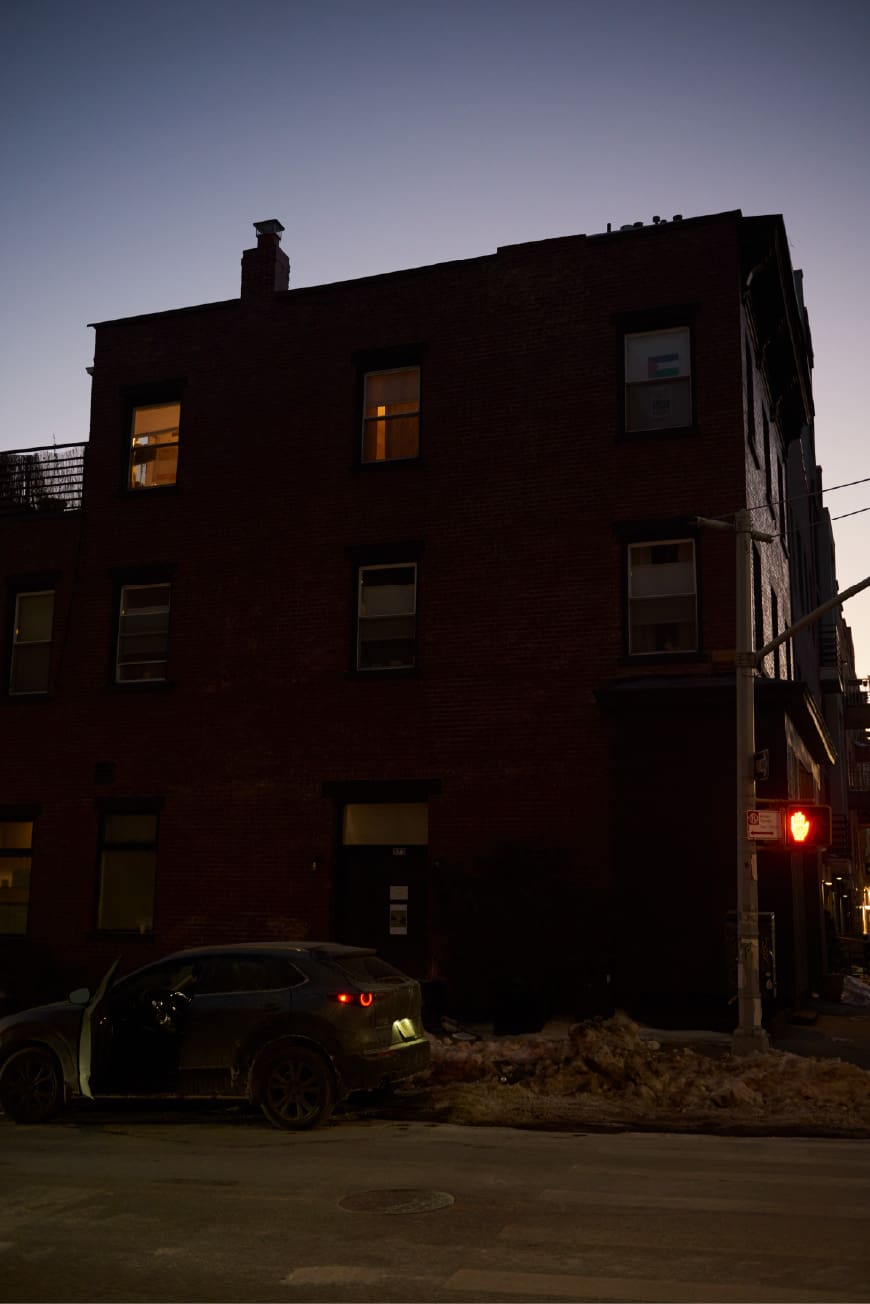
The exterior of the recording studio where the interview took place, which is also one of the main spaces where he creates, records, and mixes his own music and hosts small listening sessions for local audiences.
―― You’re often described as one of the leading vibraphonists of your generation. What do you see as your strengths as a musician?
I think it’s patience and empathy. I grew up playing music in church, and my father always told me to play not to show yourself, but to serve the moment and the people around you. That idea of playing for others is still at the core of how I make music today. It’s about helping the musicians around me shine and making the music sound better as a whole. I believe that’s what ultimately connects with people. Through technique and intuition, I want to support and uplift others.
―― How important is the time you devote to making music?
I spend a huge amount of time making music. It’s as essential to me as eating or sleeping. It feels like time spent with family or close friends. Performing is technically my work, but it doesn’t feel any different from sharing a meal with someone you care about. It’s something deeply personal.
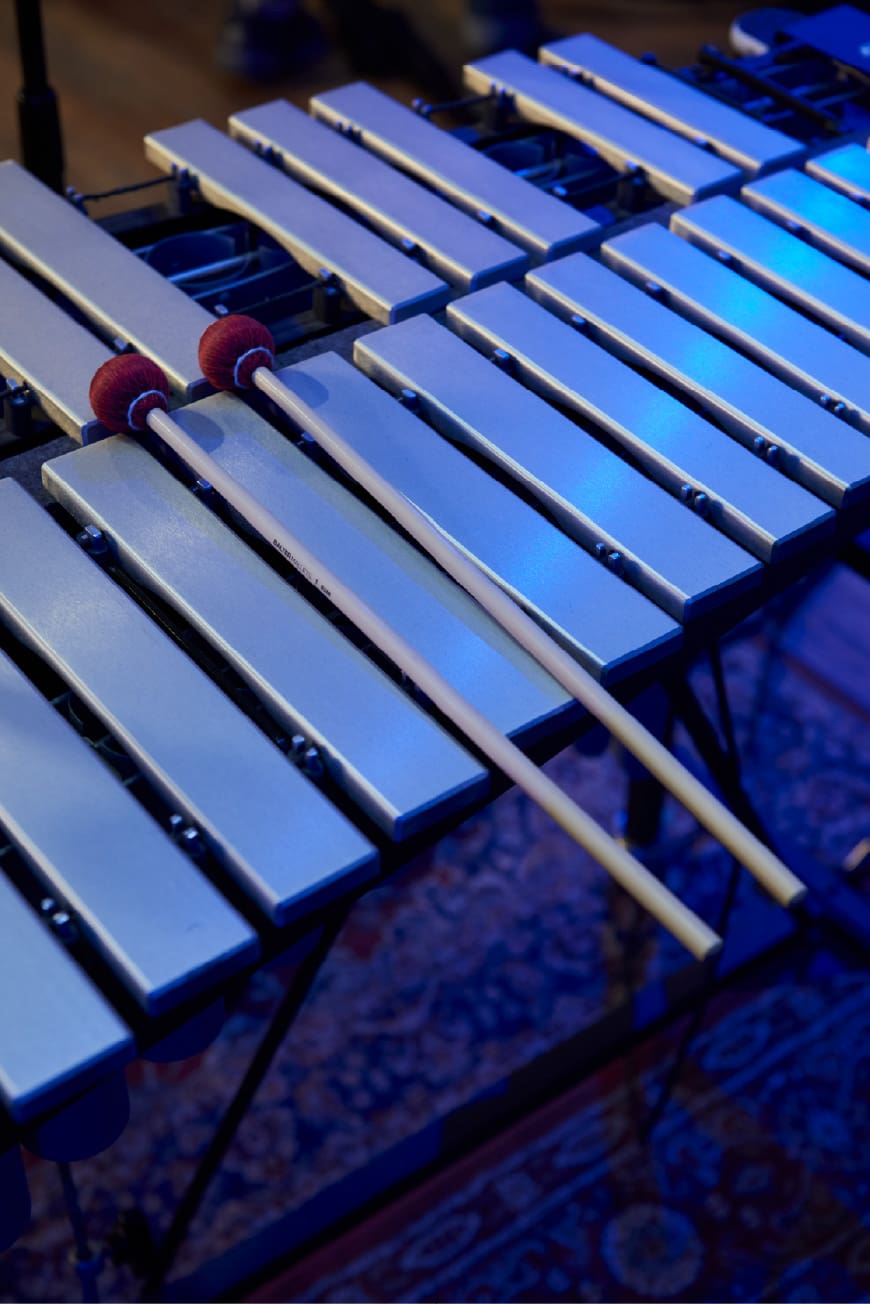
As Ross explains in the interview, the vibraphone combines the power of a percussion instrument with the sensitivity of a keyboard instrument. It is played with mallets like a drum, but a pedal allows the player to control the resonance of the notes, making it possible to sustain chords like a piano and achieve a wider range of expression. Using four mallets, a single player can produce intricate chords and melodies at the same time, much like a piano.
―― How did you approach interpreting the Bible into music on your newest album, “Gospel Music”?
Over the past few years since my previous album, I’ve been trying to develop a deeper understanding of my faith. I would wake up early and read the Bible from beginning to end, continuing to study it closely. I went back to the fundamentals, asking myself what my faith really is, what I believe, and what it’s grounded in. Who Jesus is, and what his sacrifice means. As I spent more time with that context, it started to shape how I relate to people and how I lead my band. The idea that a great leader is someone who serves others really stayed with me. When I started working on the album, I didn’t begin with a fixed concept. My study of the Bible and my day-to-day work as a musician started to overlap naturally, and the emotional tone of certain pieces began to connect with specific passages. The album came out of that process, where my faith and the emotions that grew from it came together.
―― I imagine music-making often comes with moments of isolation and struggle. How do you deal with it when you feel lost?
Fortunately, I don’t get discouraged very often. I think that comes from knowing who I am and what I believe in. I don’t compare myself to other people, because that can easily lead to discouragement. I focus on what I have and try to give my full effort to it. I’m a twin, so I’ve always had someone around, but I also value being alone. These days, I make a conscious effort to create time to relax, set priorities, and say no when I need to.
―― What kind of philosophy shapes the way you approach making music?
My father used to tell me not to become a performed persona, but to be a person with character, and that’s always stayed with me. I try to be true to myself. I don’t perform for fame or money. I want to remain genuine and honest. I’ve never liked dressing up just for the sake of performing. I don’t think you need to wear something specific to earn respect or have your art accepted. The value of the music shouldn’t change depending on what you’re wearing. When I was younger, that way of thinking met some resistance, but now it’s something people seem to appreciate.
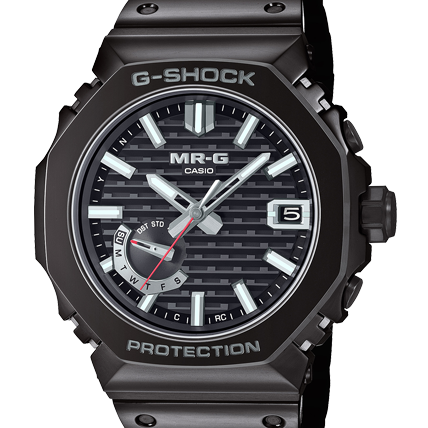
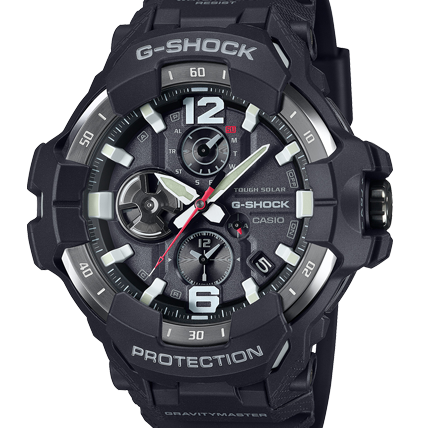
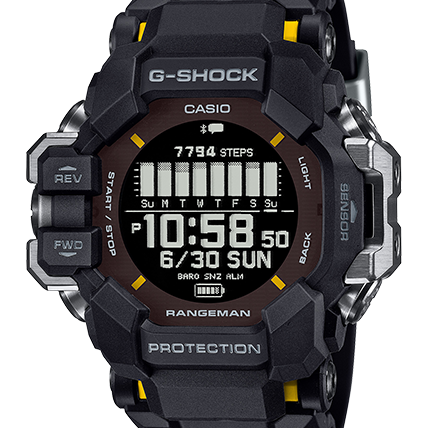
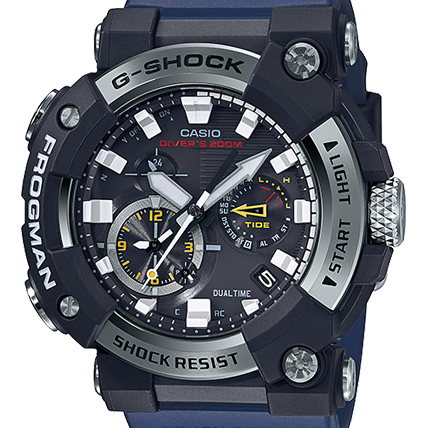
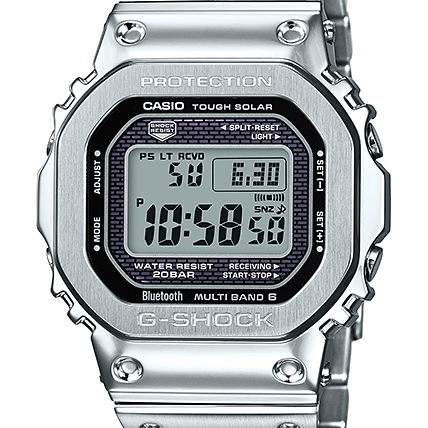
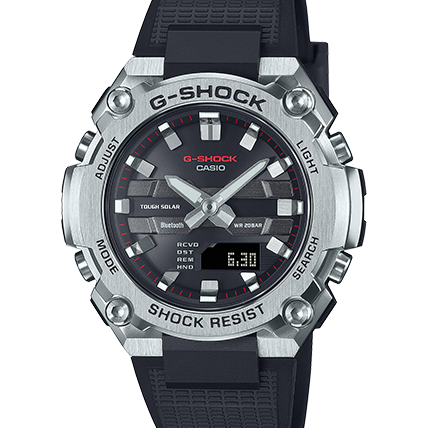
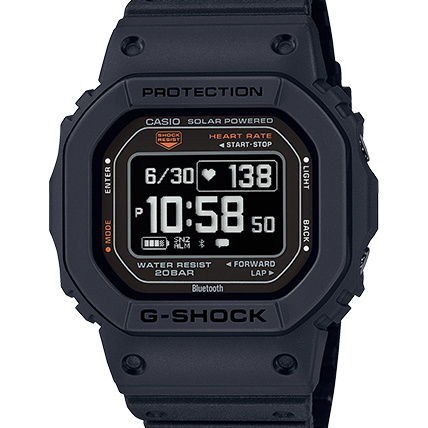
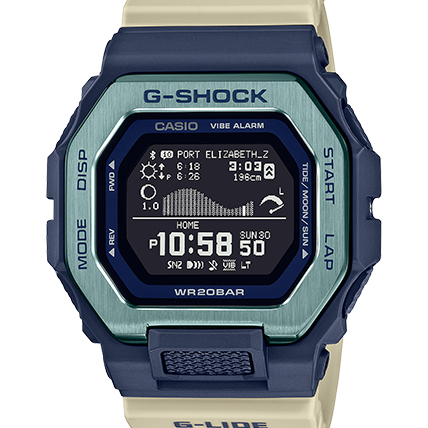
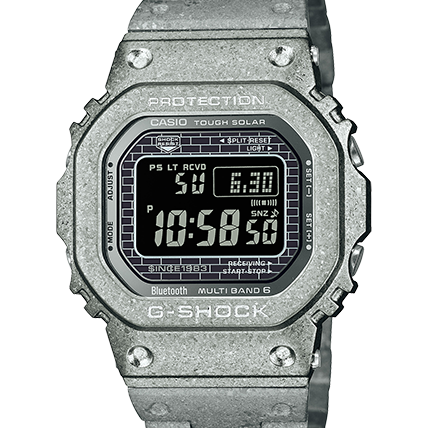
―― Having worked on this G-SHOCK project, what does the brand mean to you?
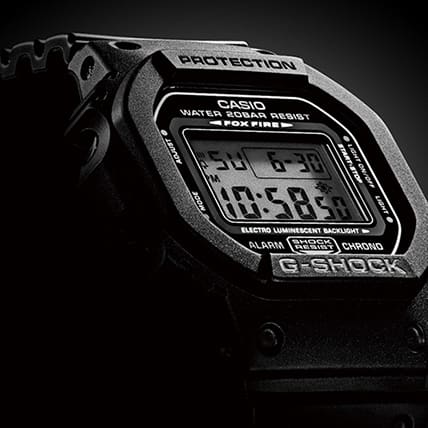
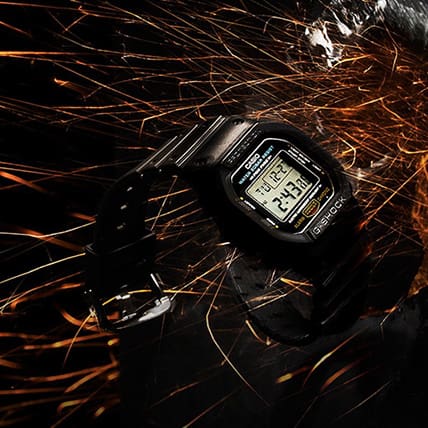
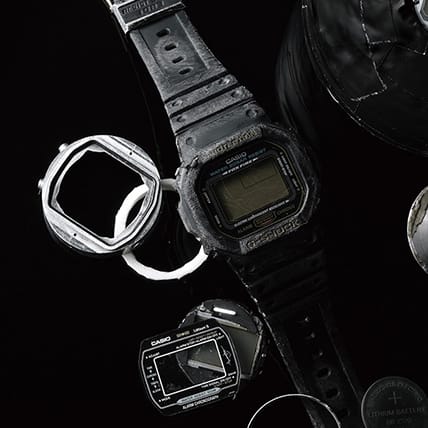
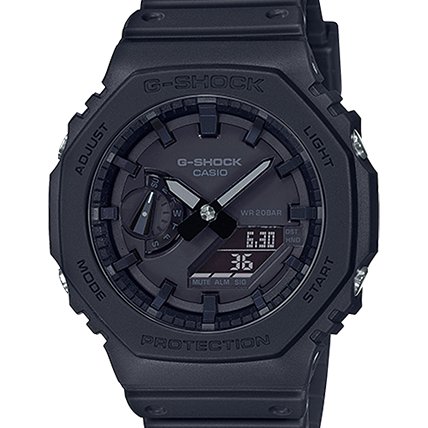
When I was in high school, G-SHOCK was the only watch I was really interested in. I remember thinking, this is it. I just loved the way it looked. The bold color variations, like blue and pink, really spoke to me because I’ve never wanted to do the same thing as everyone else. My brothers had them too, in red, white, and black. To me, G-SHOCK was always a tough, long lasting watch. For me, toughness is about inner strength. It’s about carrying responsibility through both good and difficult times. Taking care of your family while still being able to face whatever challenges come your way. It’s the ability to move through hardship and conflict. That idea is deeply connected to what we call the Black experience, something that lives in genres like jazz, hip-hop, and gospel. It comes from our history, our struggles, and the ways we’ve learned to express ourselves through them. Continuing to create in the middle of those challenges, that’s where that strength comes from. To me, that spirit really resonates with G-SHOCK. I think that’s also why so many people around me wore G-SHOCK when we were younger. There was a natural cultural connection there.
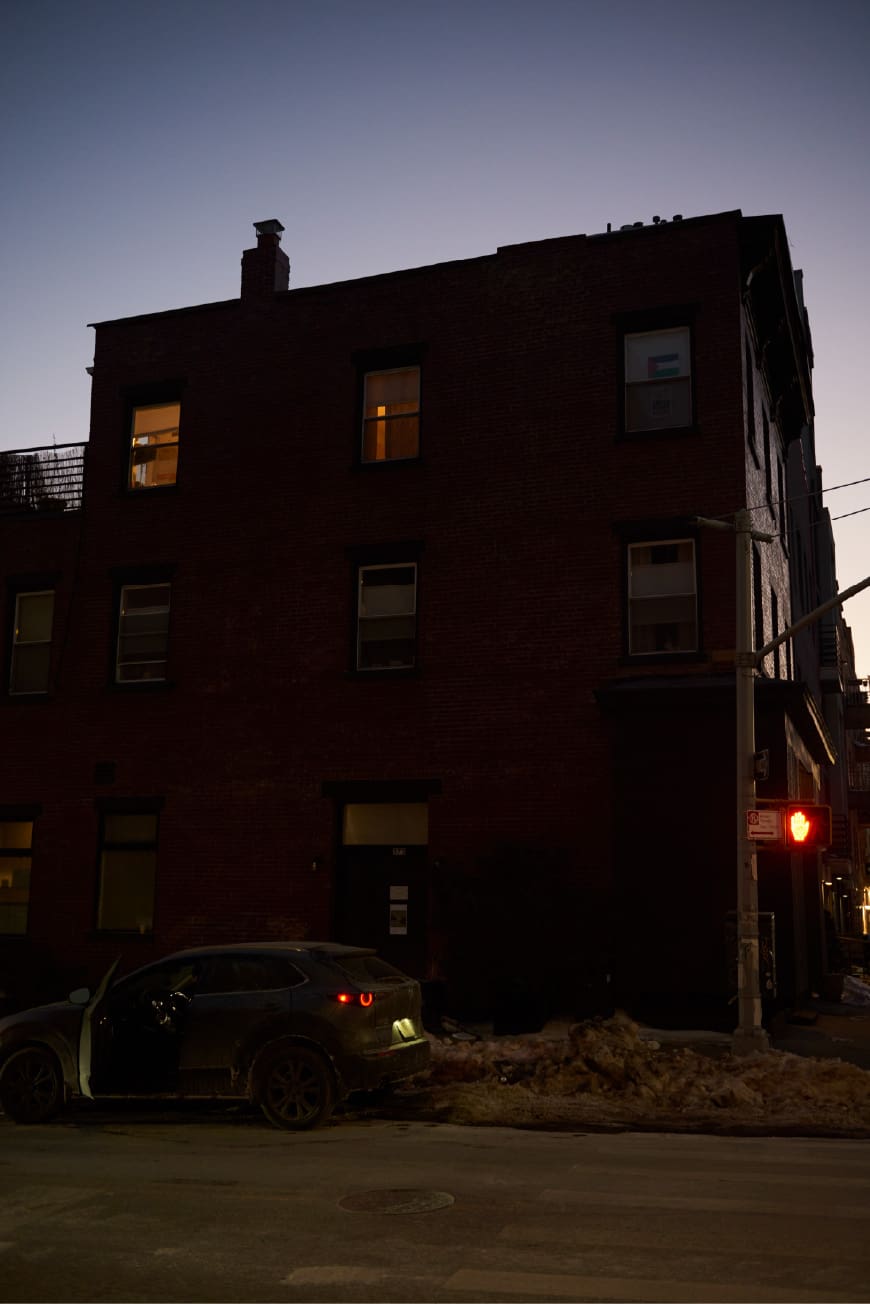
The exterior of the recording studio where the interview took place, which is also one of the main spaces where he creates, records, and mixes his own music and hosts small listening sessions for local audiences.
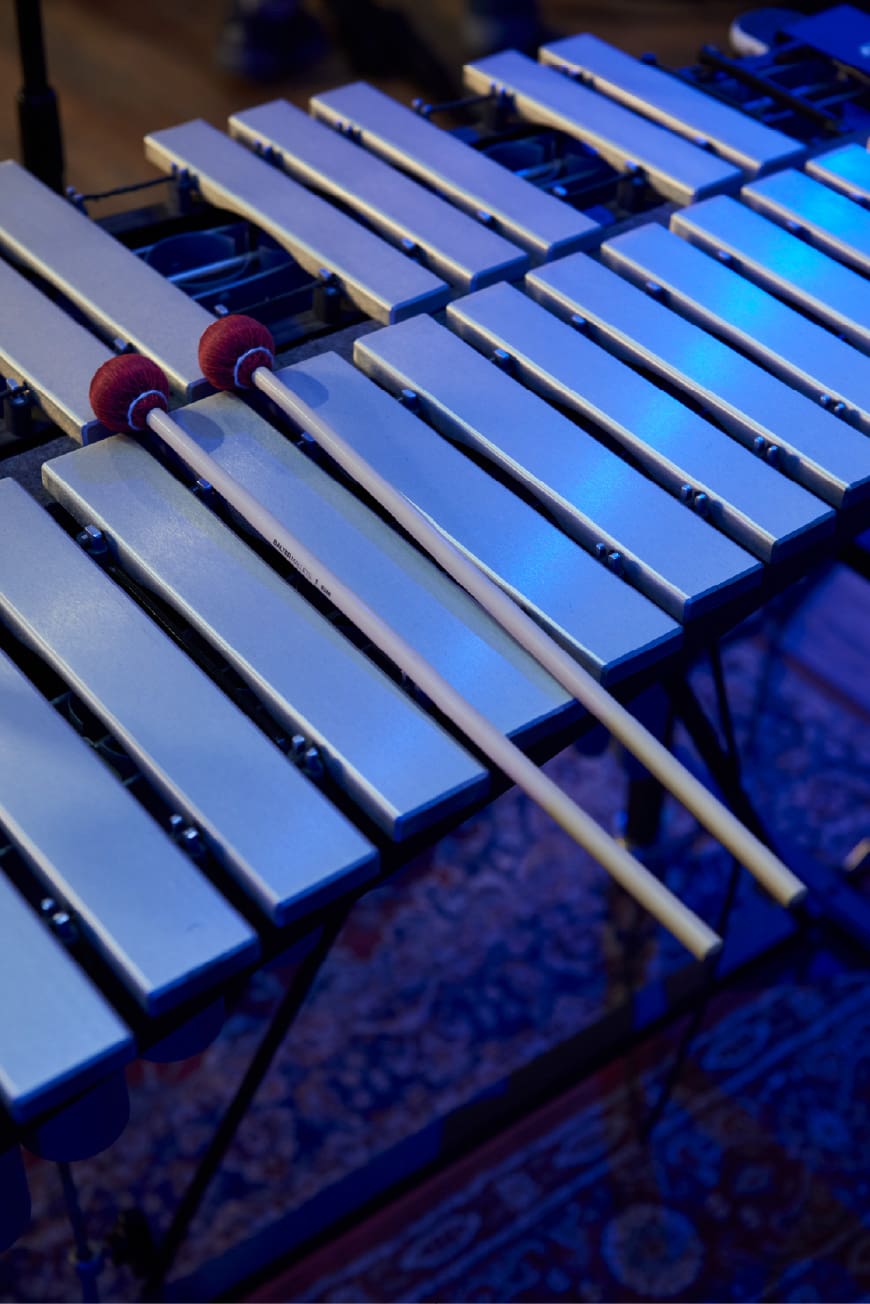
As Ross explains in the interview, the vibraphone combines the power of a percussion instrument with the sensitivity of a keyboard instrument. It is played with mallets like a drum, but a pedal allows the player to control the resonance of the notes, making it possible to sustain chords like a piano and achieve a wider range of expression. Using four mallets, a single player can produce intricate chords and melodies at the same time, much like a piano.
Profile.
Joel Ross
Joel Ross is a vibraphonist and composer born in Chicago and now based in New York. Ross began playing drums at the age of two and switched to the vibraphone at age ten. He has released five albums with Blue Note Records and is widely regarded as one of the leading vibraphonists in contemporary jazz. His latest album, “Gospel Music,” explores a deeply spiritual form of expression shaped by his faith.
Instagram. @imjoelmross
Photography. Maru Teppei
Interview. Shimpei Nakagawa
Edit & Text. Katsuya Kondo_THOUSAND
Tokyo

Los Angeles

Paris

New York


THISTIME MAGAZINE
Creator Interview