


















Creator Interview

-Chef-
A Young Revolutionary
In The Culinary World
Cooking is a form of creation in which imagination expands from
ingredients and takes
shape in a new form on a single plate.
Flynn McGarry has been immersed in cooking since the age of ten,
and at just nineteen opened a restaurant in New York.
Now twenty-eight, he leads a team of chefs,
creating dishes that nourish both body and mind for his guests each day.
McGarry describes cooking as a daily practice of art.
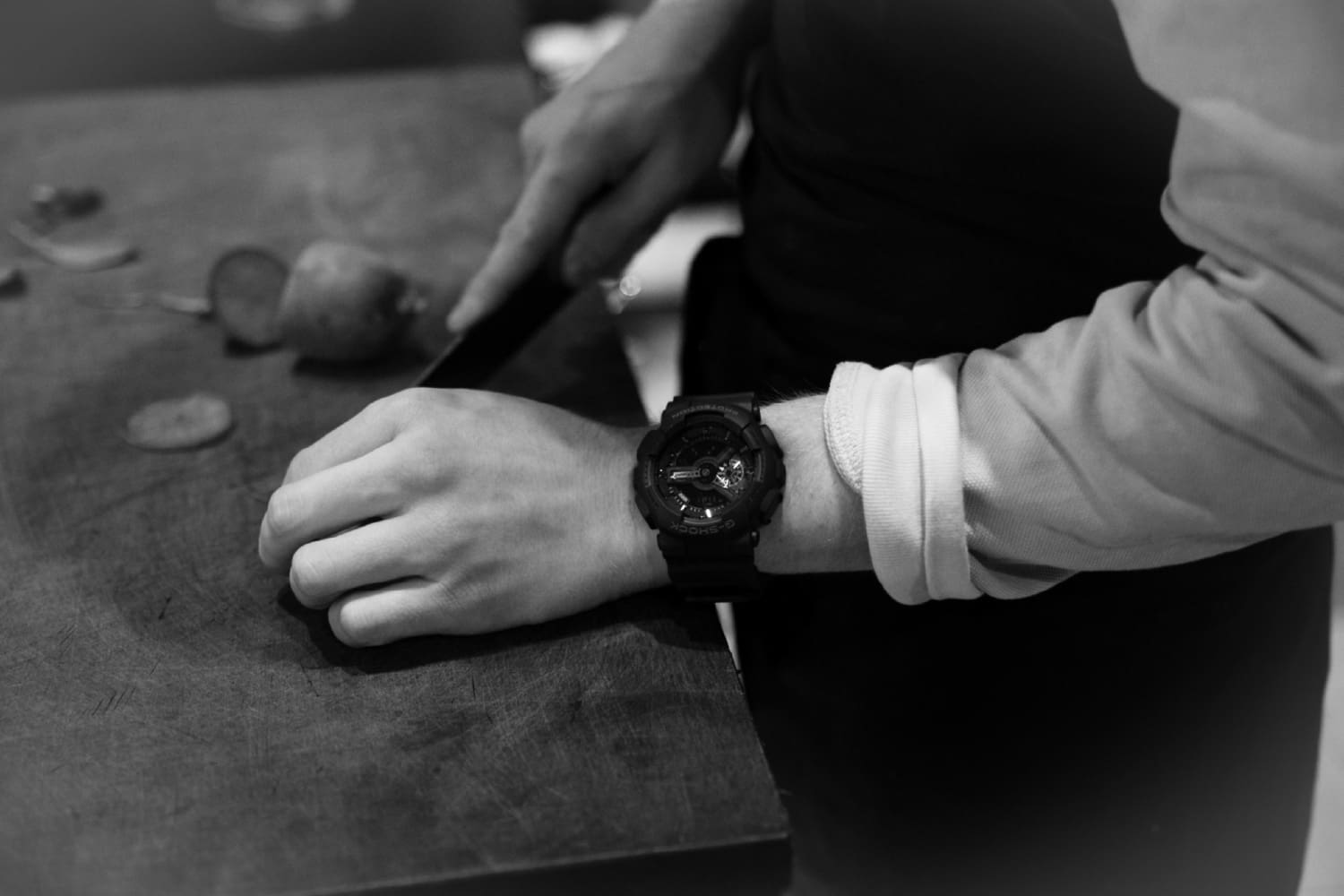
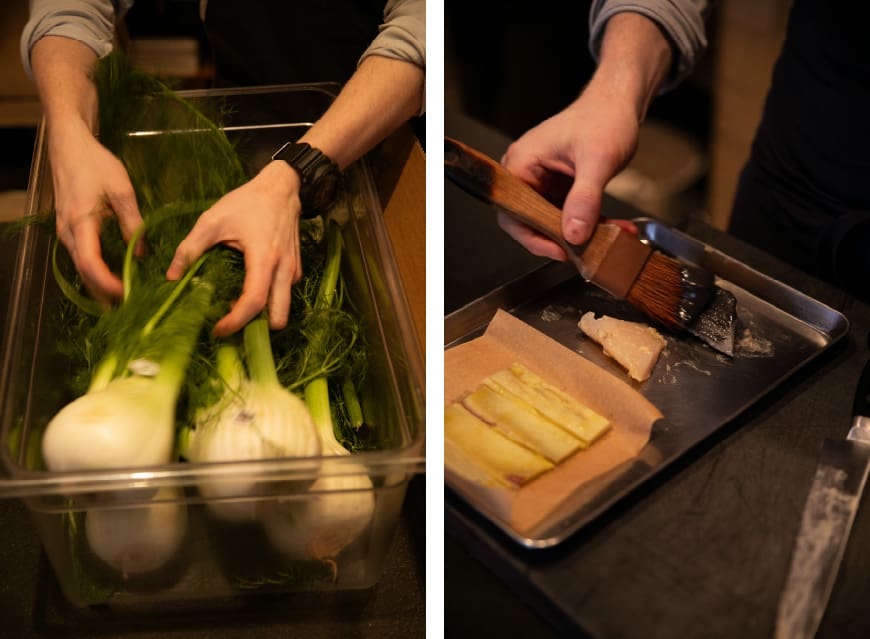
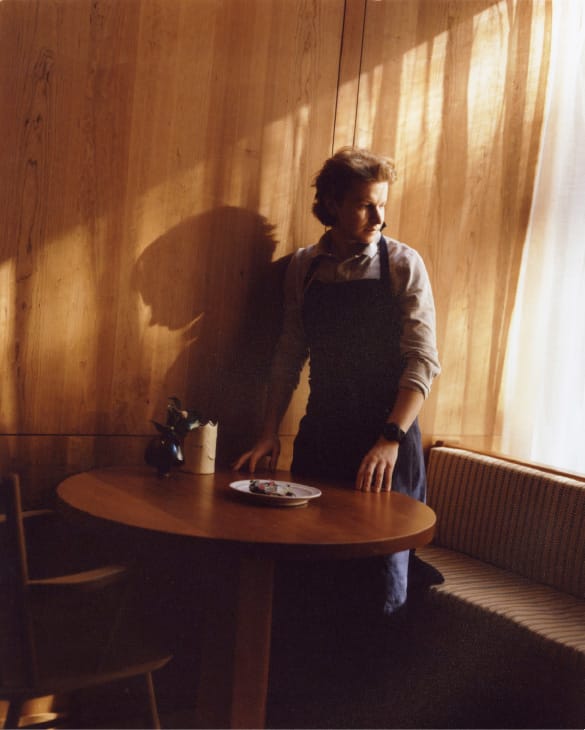
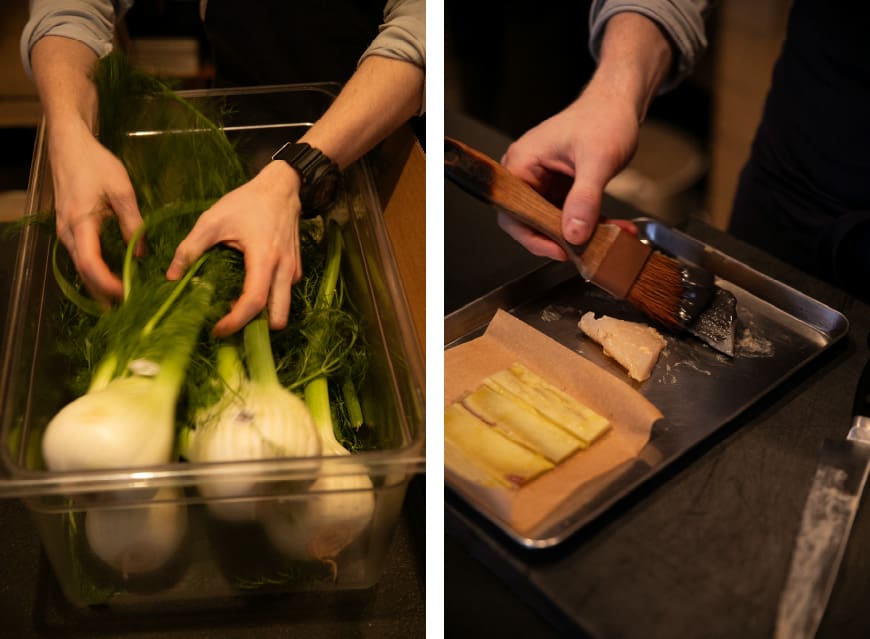
9:00 a.m. New Yorkers are starting their workday. McGarry and the chefs at Cove begin their preparations for the 5:00 p.m. opening. At the market, they select seasonal ingredients, thinking about how each one will be prepared. Their knife work is quick and assured as the process of creating each dish begins.
Interview
Cooking As A Daily Practice Of Art
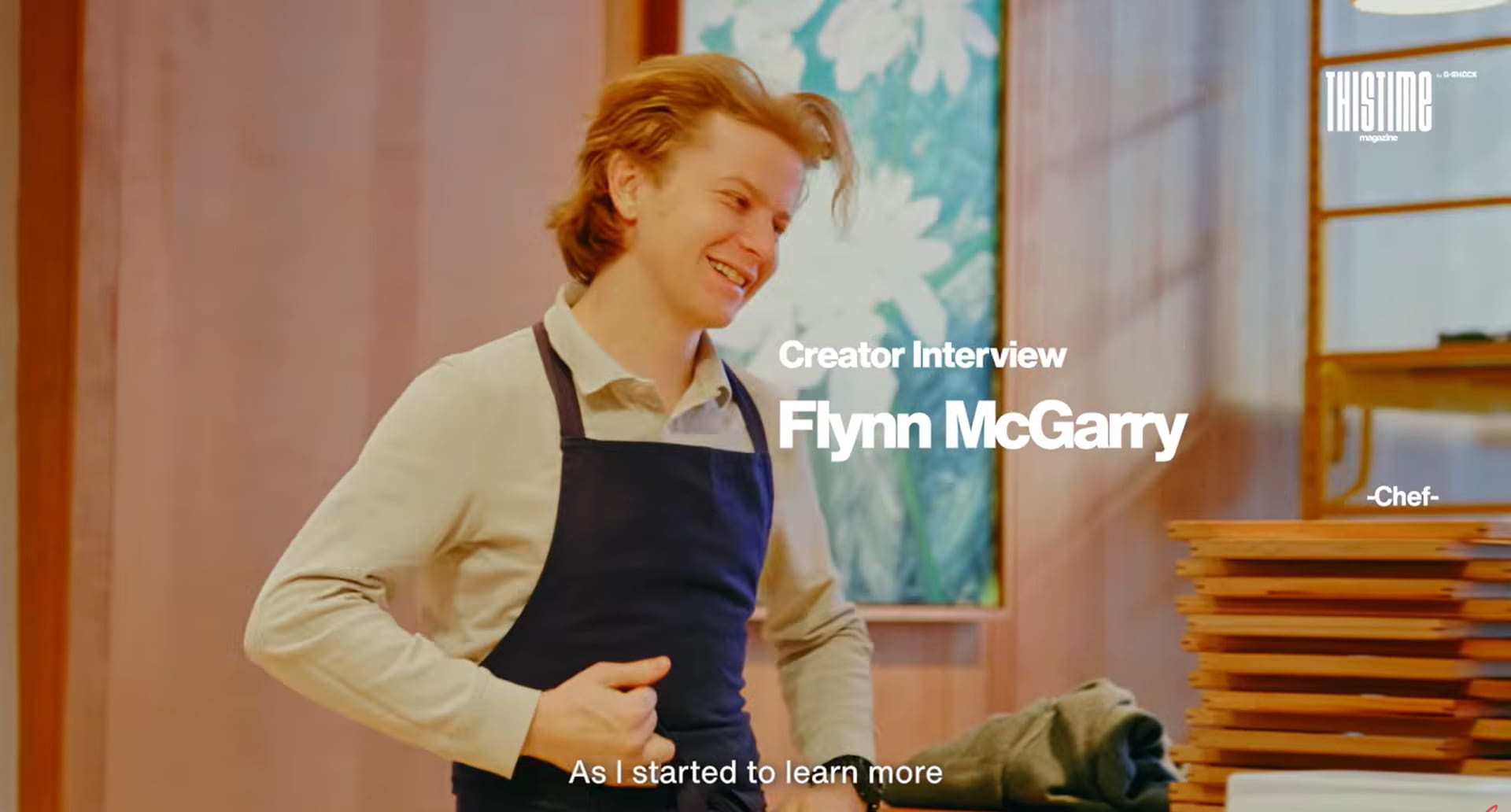
New York is where the world’s top creators compete at the highest level. Chefs who create dishes that satisfy not only our appetites but also our senses are creators in their own right, and one of the most talked-about chefs in New York today is Flynn McGarry. He began working in restaurants at just twelve years old, and at home he hosted dinners for his parents’ friends, serving full-course meals. After training at a number of renowned restaurants, he opened his own restaurant in New York at the age of nineteen. Word of his talent spread quickly, and in late 2025, he opened a new restaurant called Cove. The interior reflects the modernism of the West Coast where he grew up, featuring custom furniture and distinctive tableware. Upon entering the restaurant, guests are first struck by the visual impact of the space, which only heightens anticipation for the food to come. As Flynn guides his staff through the morning preparations, and glances through the window at New York businessmen heading to their offices, we sat down with him to ask about his creative approach to cooking.
―― How would you define your culinary style?
I would say my style is rooted in nature. I try to express the beauty of ingredients in their simplest form. My approach has been shaped by California, where I grew up, as well as by Scandinavia, where I worked for many years. That influence can be seen in the way I decide what to place on the plate and what to strip away. At the same time, inspiration for my cooking comes from everywhere. Japanese cuisine has also had a strong influence on me, which is partly because I grew up in California, where we have are many excellent Japanese restaurants. What I aim for is to amplify the natural beauty of the ingredients themselves. There are countless ways to do that, so it is difficult to narrow it down to just one.
―― Tell us about the concept behind Cove.
Cove focuses on New York as a place and on ingredients from the East Coast. At the same time, I weave in inspiration from California and Scandinavia, which are part of my roots. In the noise and stress of New York, I want the dining experience to bring a sense of lightness and calm. We are proposing a new approach to contemporary fine dining. Although we are a very young team, we aim to deliver dining at a high level. We have a room dedicated to serving a tasting menu, as well as spaces where guests can enjoy dishes à la carte. I want guests to feel relaxed both while they are in the restaurant and after they leave. One of the wonderful things about going to a restaurant is the chance to be completely absorbed in the moment. Creating a space that allows for that kind of experience is essential to Cove.
―― What kind of toughness does it take to keep challenging yourself as a chef in a city like New York?
New York is a tough city no matter what you do. There are many challenges, but at the same time it is an environment that offers a unique perspective. Not every restaurant can succeed here. You have to understand the dynamics of the city and make them part of what you do. In that sense, you either accept New York or you leave. It has been ten years since I moved here, and now I feel I’ve found ways to balance the compromises the city demands with my own approach.
―― Can you tell us about the moment you discovered the joy of cooking?
I started cooking when I was ten years old. At first, I simply thought it looked cool. It took some time for that feeling to turn into real passion, but once I began learning about the world of high-level fine dining, I started taking it seriously. When I realized how creative you could be through food, something sparked inside me.
―― At age thirteen, you were already hosting dinners at home. Now that you have a restaurant in the center of New York City, can you tell us about the journey that led you here?
When I was thirteen, I simply felt a strong urge to keep cooking. One of the wonderful things about cooking, but also something that can feel a bit limiting, is that you need people to eat the food. So I asked my parents to invite their friends, which allowed me to cook for a larger group of people. What makes cooking so special is the ability to connect deeply with guests and the people who come to eat. I started wanting to do that for bigger groups, which led me to start hosting pop up restaurants and eventually to set the goal of opening my own place. I ran pop-ups at home for about a year, then trained at various restaurants, and eventually made my way to New York.
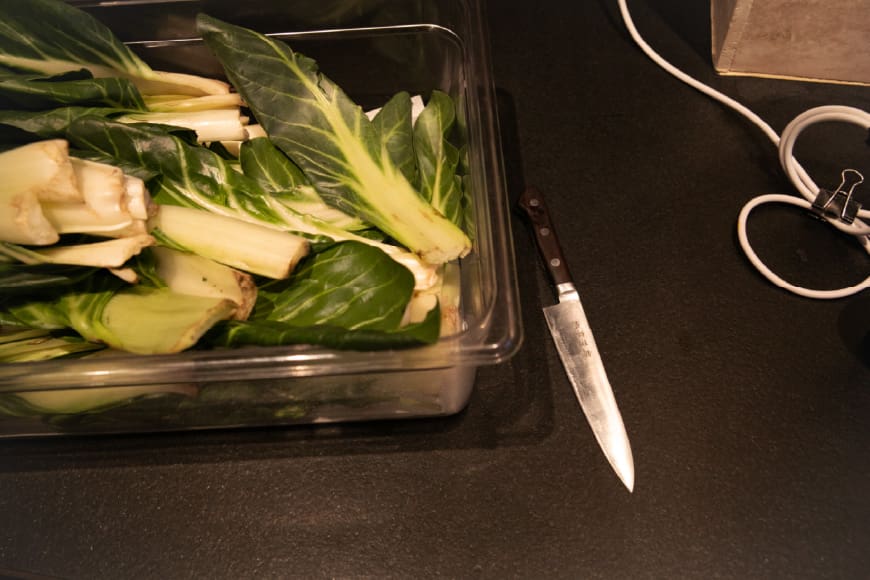
A chef’s most essential tool is the knife. The one McGarry uses has the name Imojiya engraved on the blade. Even here in New York, Japanese craftsmanship is trusted and widely used.
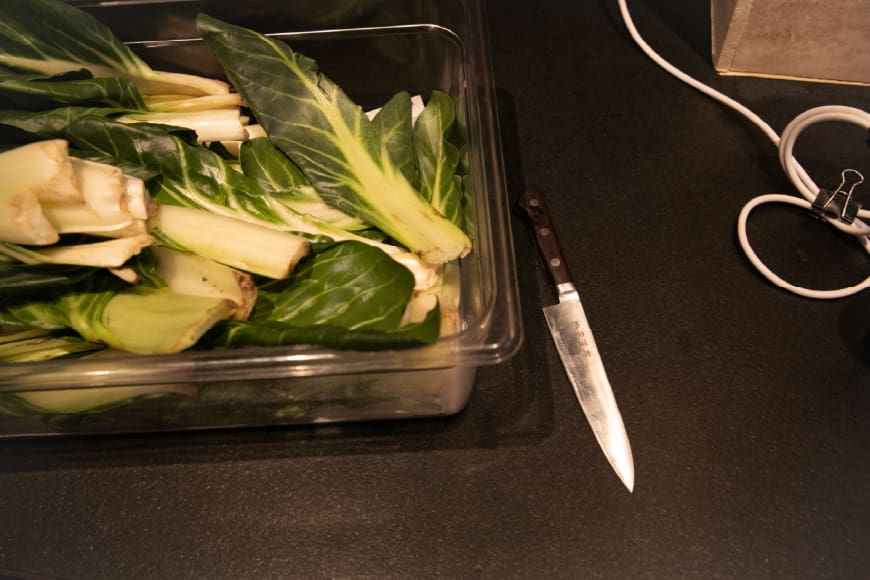
A chef’s most essential tool is the knife. The one McGarry uses has the name Imojiya engraved on the blade. Even here in New York, Japanese craftsmanship is trusted and widely used.
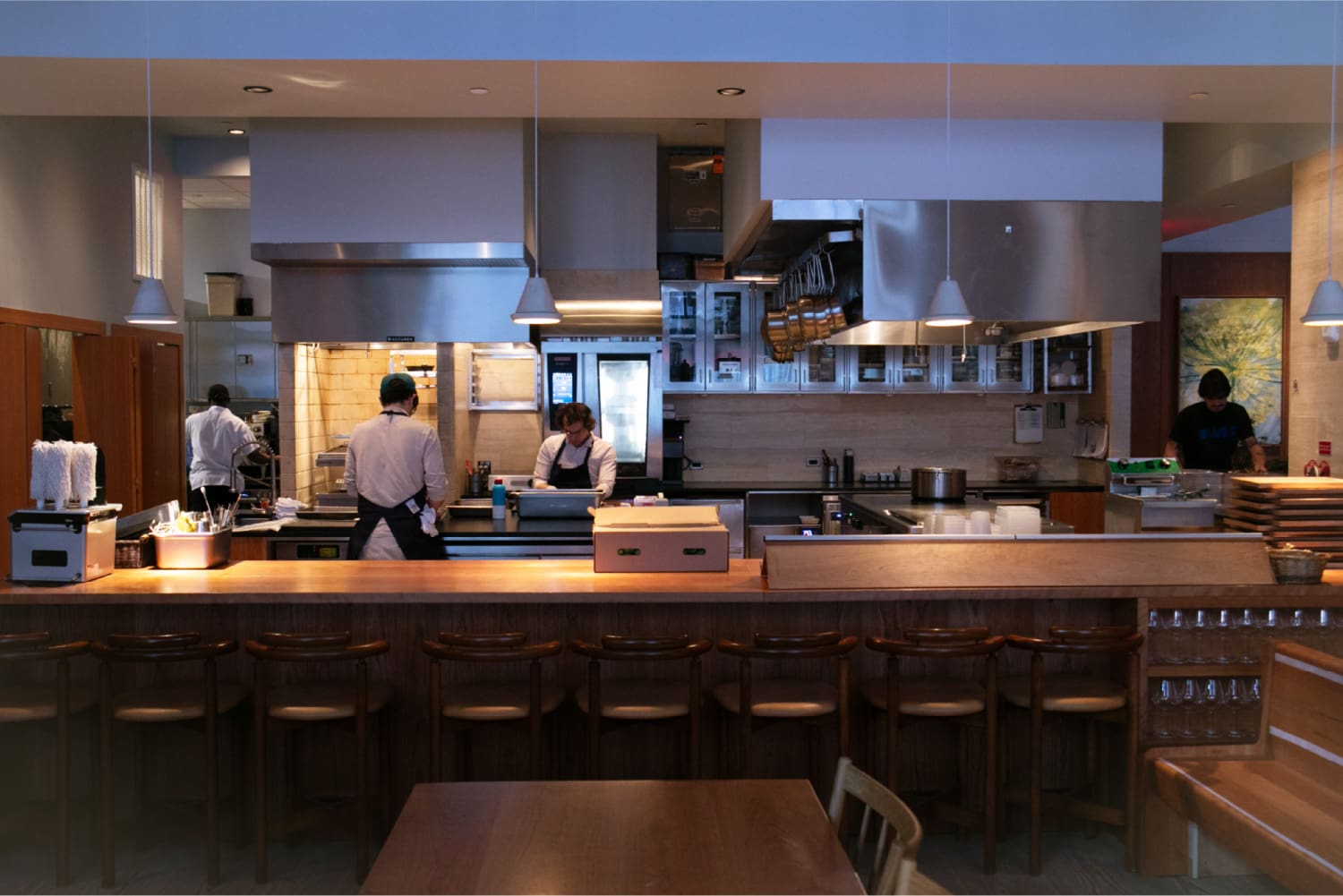
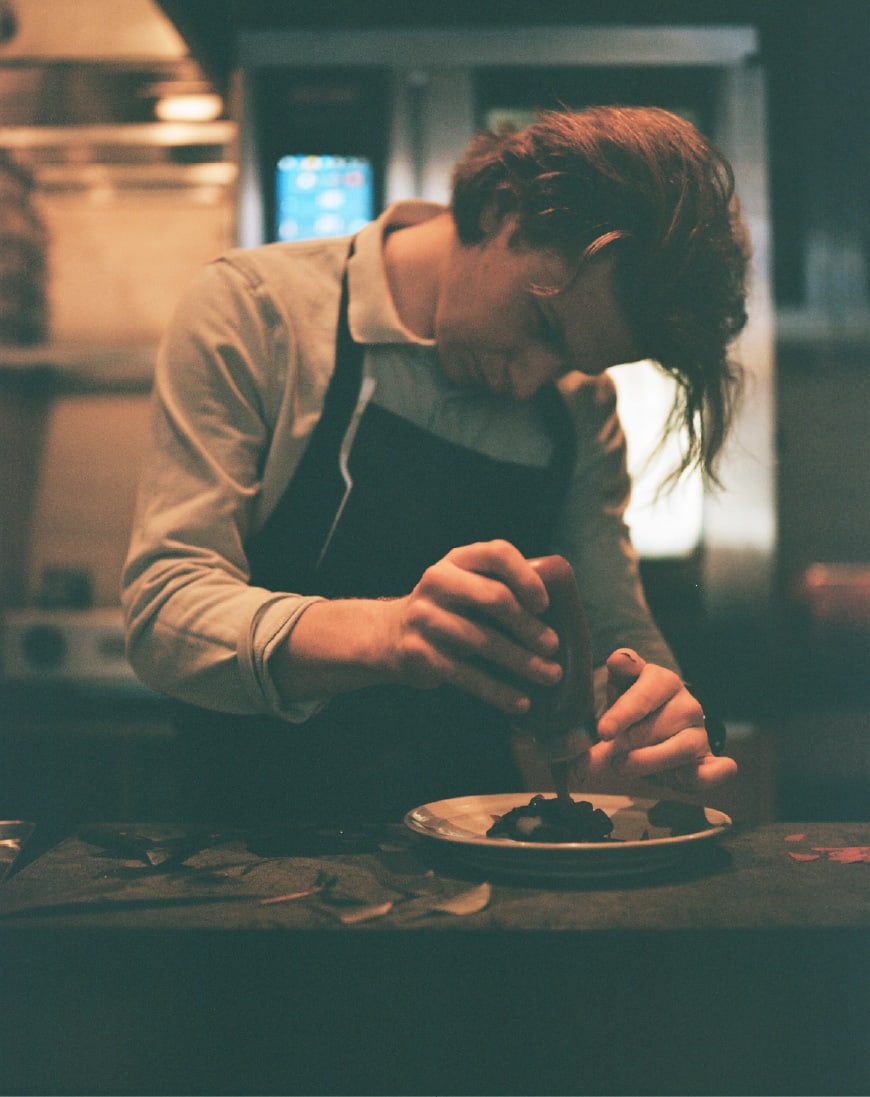
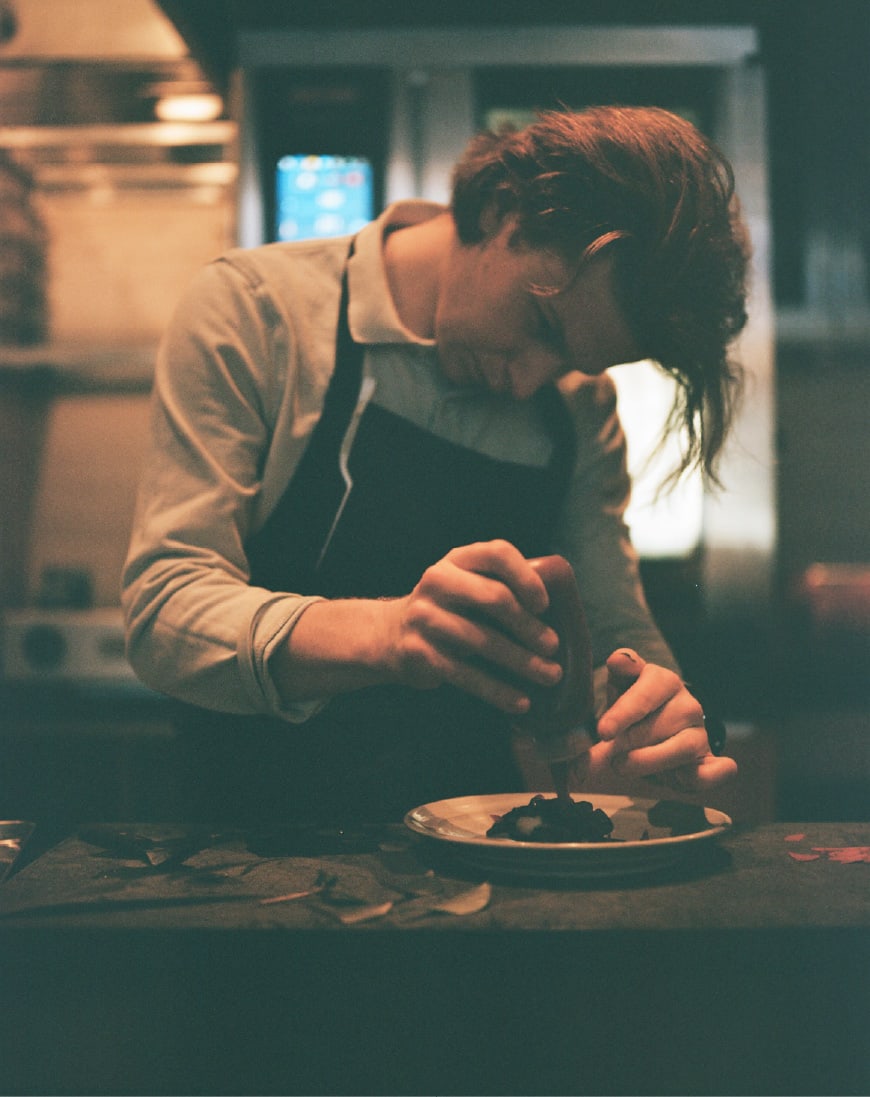
The moment you step inside, you’re greeted by a large open kitchen. The air is filled with the aroma of cooking and the focused energy of chefs absorbed in their work. Though the team is made up of young chefs around McGarry’s age, each moves with confidence and efficiency as they prepare the dishes.
―― What is it about cooking that captivates you so deeply?
For me, cooking is the daily practice of art. Every day is slightly different. There are always new discoveries, and the ingredients and circumstances are constantly changing. At the same time, it never feels complete in a way. That can be difficult at times, but it is also what brings me back to the kitchen every morning, trying to make something better than the day before. There is always room to keep refining and improving my craft.
―― What does it feel like to become so absorbed in your work that you lose track of time?
The thing about cooking is that everything has to start from scratch every day. I have been cooking for seventeen years, and I still work thirteen to fourteen hours a day. To be passionate about something means giving everything you have. In the morning, I go to the farmers’ market to look for ingredients, check the fish that arrives, and stay at the restaurant until the last plate is served. There is always an endless list of things to do. We aim to have everything ready by 5 p.m. each day, and the day passes very quickly. It almost feels like there are two days in one. During the daytime we focus on preparation, and from 5 p.m. to 11 p.m. the restaurant is open. It feels almost like a sport. The pressure is high, but you enter a kind of flow state that makes you forget how long the day really is.
―― How do you find inspiration?
It comes from constant fine-tuning. Every day I taste every dish and check each plate. I think about how to refine them and how they can be made even slightly better. I work closely with farmers and fishermen to ensure we receive the highest-quality ingredients. Each day I can choose what to focus on. Some days are purely creative, while others are spent organizing the kitchen. There are always problems to solve, and the fact that every day is completely different is one of the reasons I love this profession.
――When do ideas for new dishes usually come to you?
For me, creating a dish is about solving a problem. I start by asking myself what to do with a particular ingredient. Should it be grilled, steamed, or braised? What would pair well with it? These kinds of questions are always running through my mind when I’m walking through the market or around the city. Once I step into the kitchen, the idea starts to take shape. Maybe it needs a little more acidity, a bit more salt, or a slight adjustment to the cooking. Through those small refinements, the dishes gradually come together.
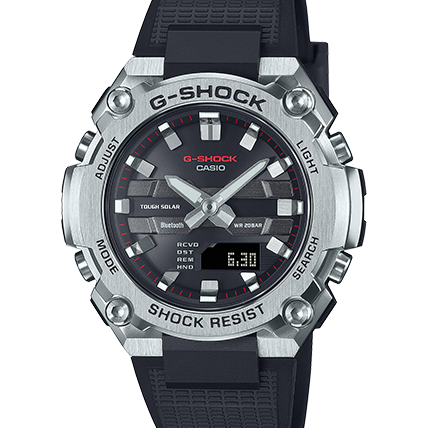
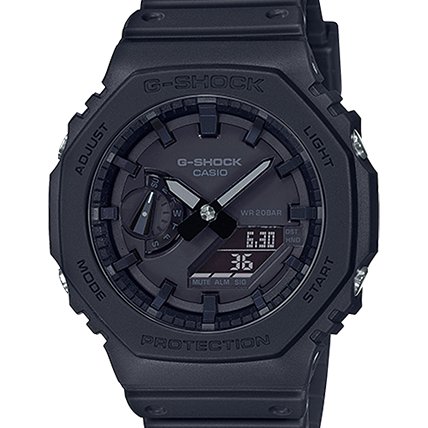
――Can you tell us about the concept behind the two dishes you created inspired by the G-SHOCK GA-110?
I approached the inspiration I drew from the G-SHOCK from two different angles. The first dish reflects the darker, heavier, almost steampunk-like image of the GA-110. I steamed beautiful black cod sent from a fisherman in Washington and finished it with a coating of black sesame paste. It’s served with sweet potato and leeks, creating layers of gray and black on a white plate that echo an architectural form. The second dish is my take on the French dessert mille-feuille. Traditionally it’s made with layers of crisp puff pastry, but we used fried yuba instead to give it a light, crispy texture. It’s layered with apple and black bean cream. The idea was to reflect the GA-110’s multilayered structure while also bringing in a sense of lightness within the toughness that G-SHOCK represents.
――What does being tough mean to you?
To me, it means being able to stay resilient and adaptable no matter what happens. It means not running away when you face difficulties, stress, or intense pressure. That takes humility and a willingness to keep looking inward. To become someone who doesn’t break, you have to face yourself honestly, reflect on your experiences, and keep building the ability to stay positive. Having that kind of tough, resilient mindset is essential for living in this world, especially in a city like New York.
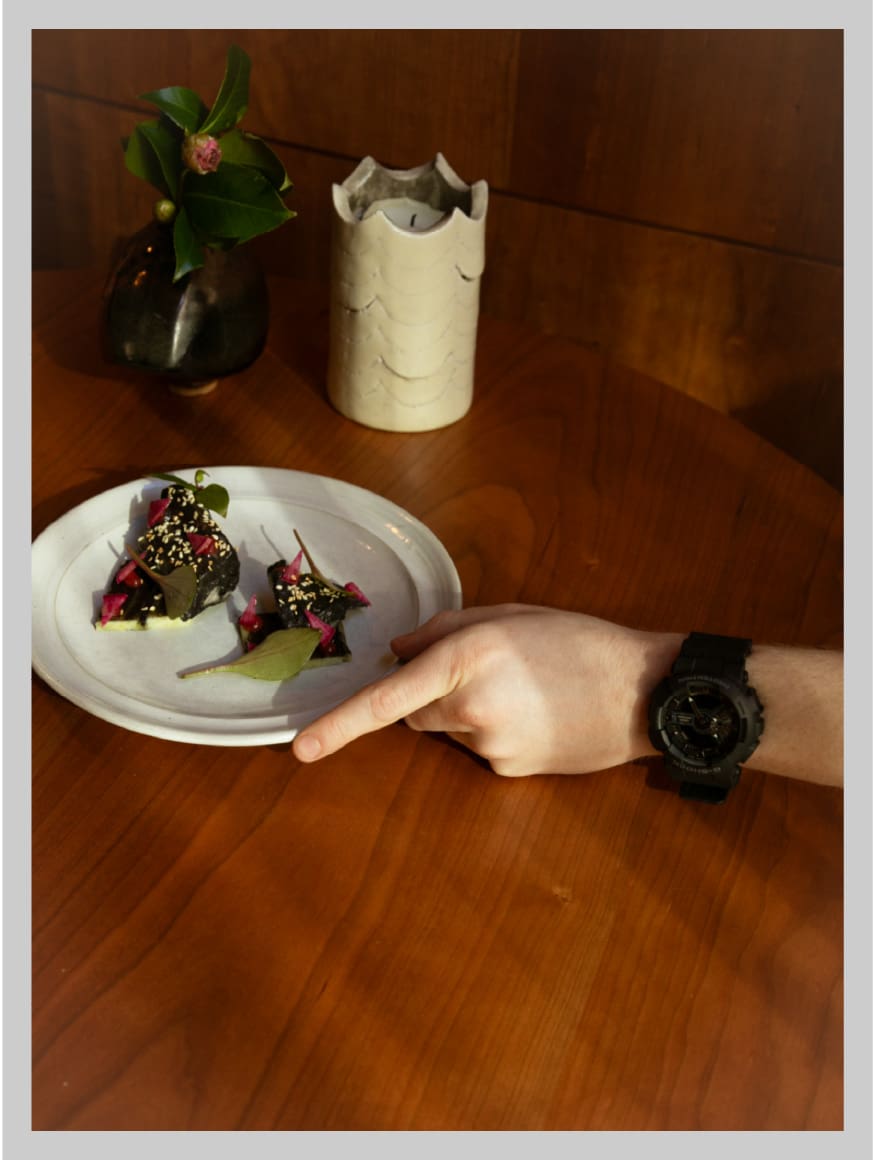
A fish dish created by McGarry, inspired by the steampunk aesthetic, structure, and color palette of the GA-110. Steamed black cod is coated with black sesame paste and served with sweet potato, leeks, and radish, forming a bold, architectural composition on the plate.
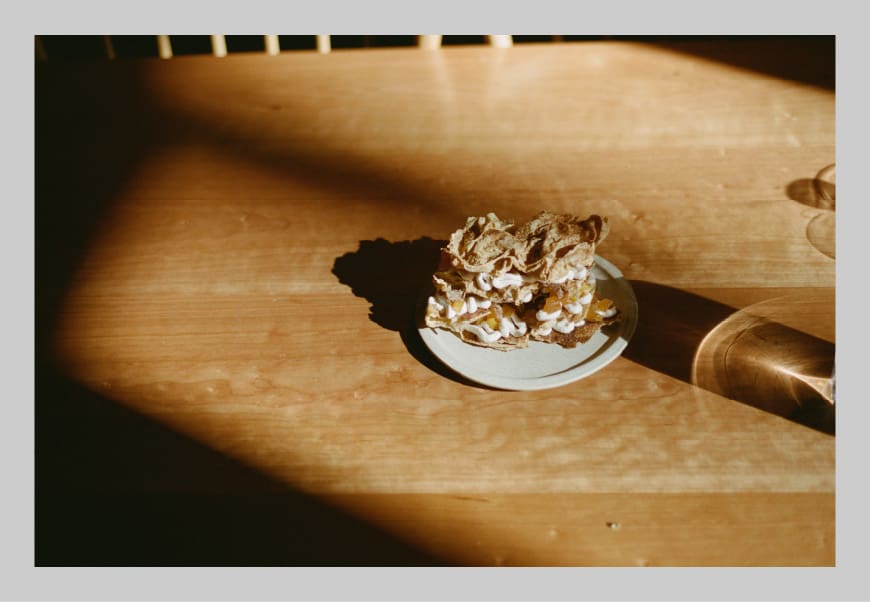
A mille-feuille inspired by the multilayered structure of the GA-110. Instead of puff pastry, crisp fried yuba is used as the base, layered with apple and black bean cream. The dish reflects both the toughness associated with G-SHOCK and the sense of lightness that McGarry values in his cooking.
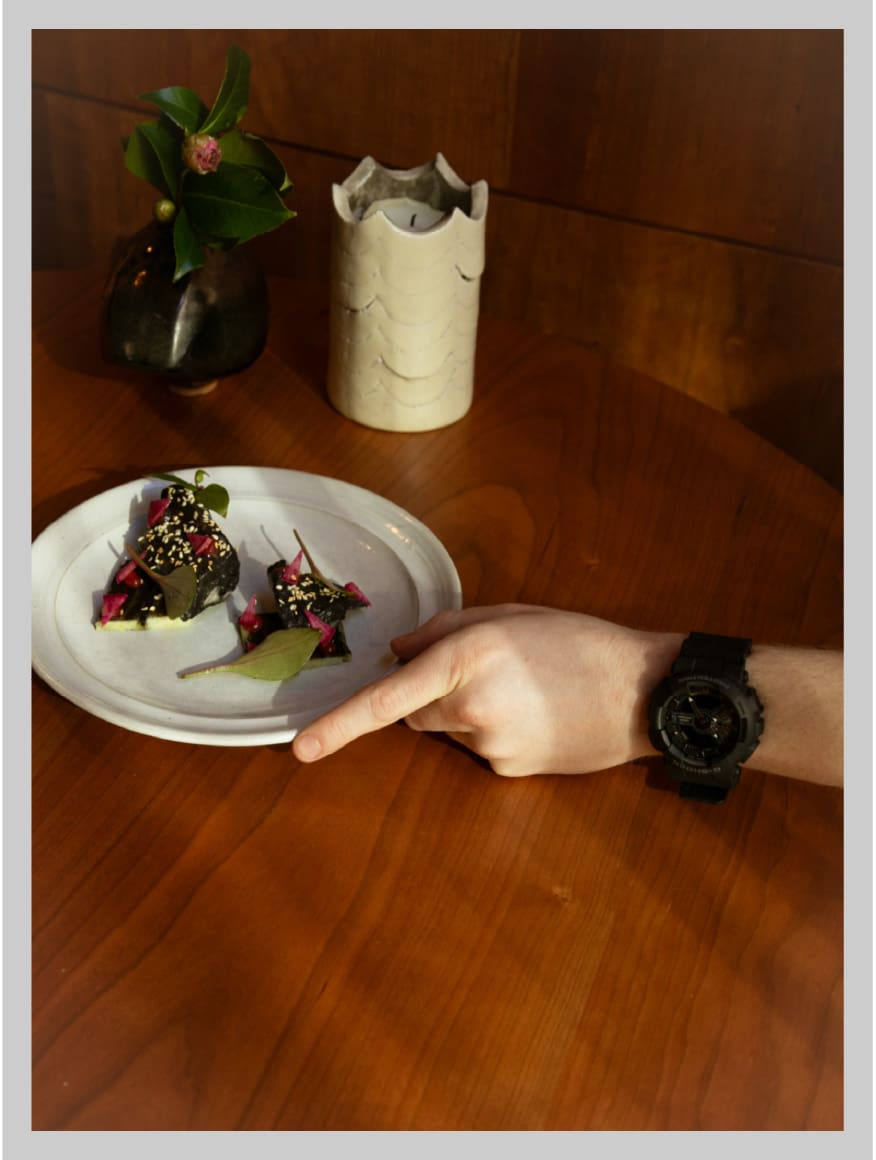
A fish dish created by McGarry, inspired by the steampunk aesthetic, structure, and color palette of the GA-110. Steamed black cod is coated with black sesame paste and served with sweet potato, leeks, and radish, forming a bold, architectural composition on the plate.
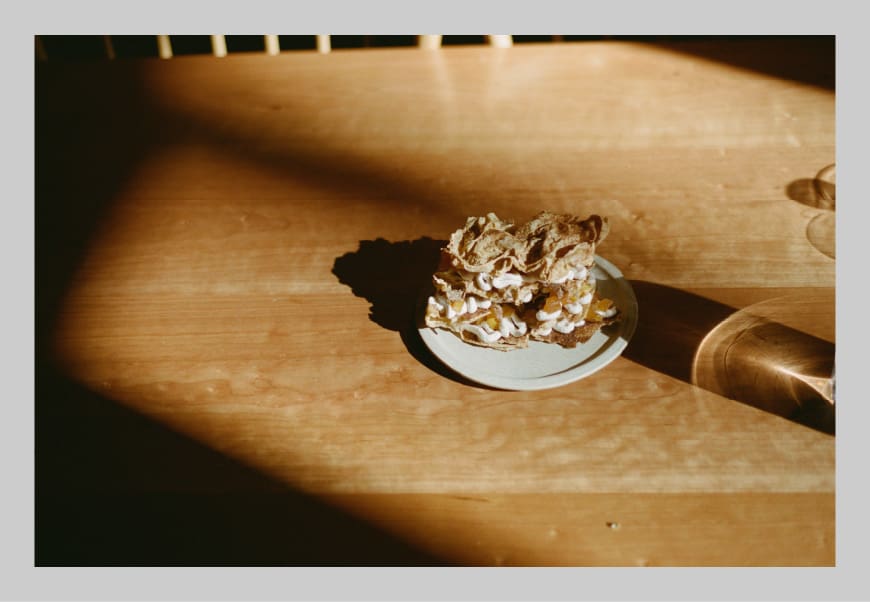
A mille-feuille inspired by the multilayered structure of the GA-110. Instead of puff pastry, crisp fried yuba is used as the base, layered with apple and black bean cream. The dish reflects both the toughness associated with G-SHOCK and the sense of lightness that McGarry values in his cooking.
Profile.
Flynn McGarry
Born in 1998, McGarry began cooking at the age of ten and, at twelve, started hosting tasting-menu dinners at home called Eureka. At nineteen, he opened his first restaurant, Gem, in New York. In late 2025, he opened Cove, a larger-scale restaurant. At Cove, he blends influences from his West Coast roots with ingredients from the East Coast, where he is now based. The restaurant has quickly become one of the hardest reservations to secure in the city.
Instagram. @diningwithflynn @cove.ny
Photography. Raphaël Gaultier
Interview. Shimpei Nakagawa
Edit & Text. Yutaro Okamoto_THOUSAND
Tokyo

Los Angeles

Paris

New York


THISTIME MAGAZINE
Creator Interview