






Creator Interview
-Artist-
Imagination Across Boundaries
Immersed In A World Of Flowing Lines And Colors
Based in Paris, illustrator and writer Stéphane Manel has built a refined,
poetic world through his art and words.
Moving fluidly across magazines, music, fashion, and film,
he continues to shape a distinctive visual language all his own.
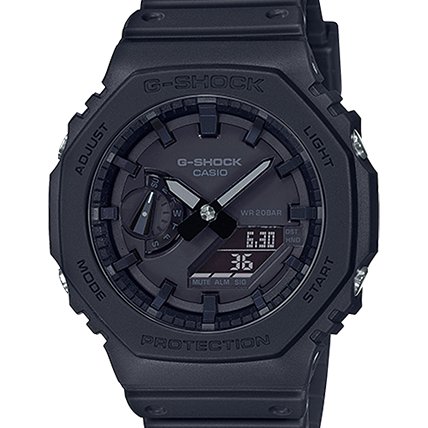
With his original comic inspired by the GA-2100,
we’re offered a rare glimpse into his inner universe.
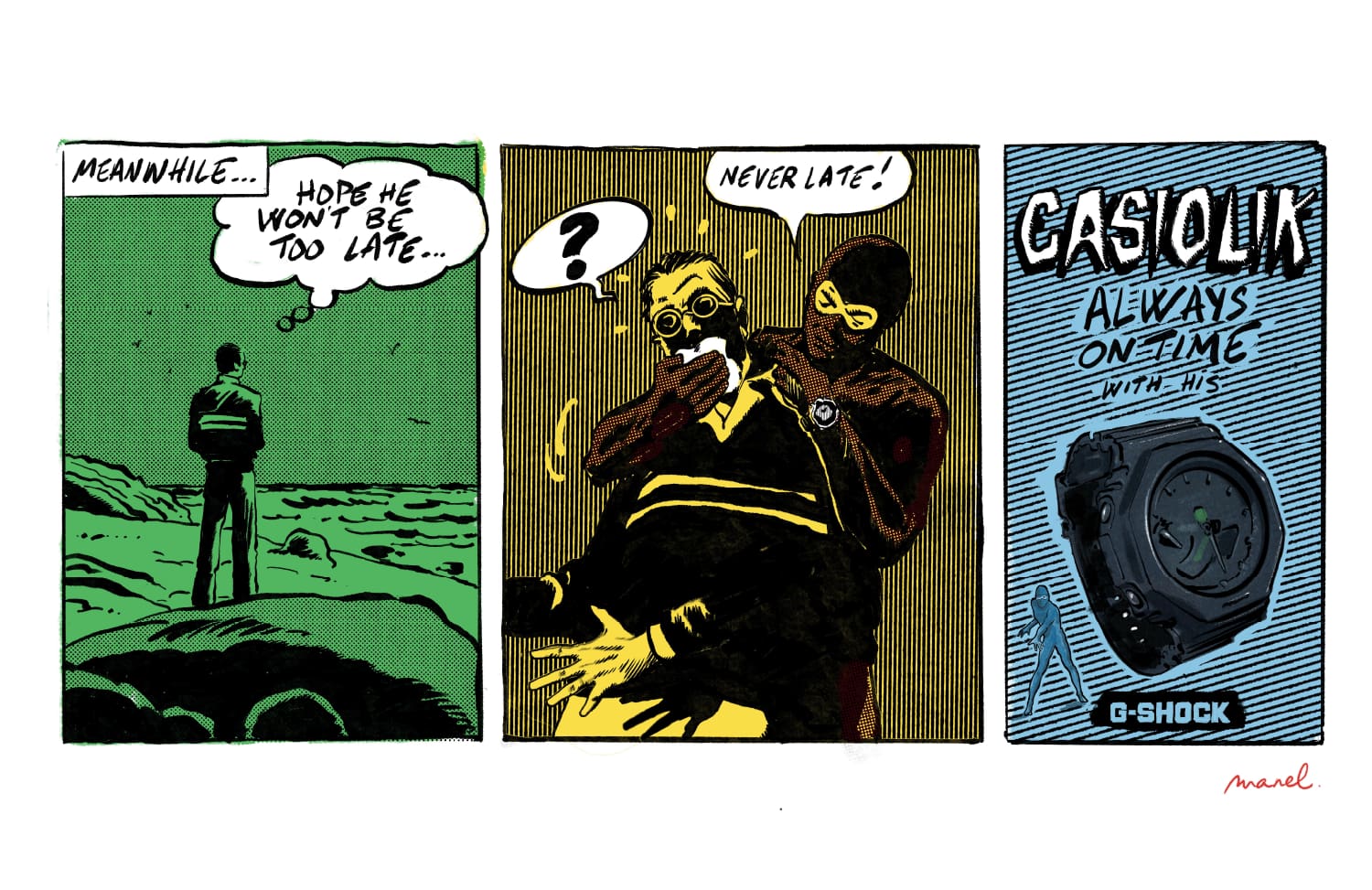
The vintage comics and superhero worlds Stéphane has long cherished collide with G-SHOCK in a three-frame story filled with humor and charm. His signature use of color infuses each scene with energy, setting up a bold contrast against the GA-2100’s matte body finish.
Interview
A World That Comes To Life
When Leaving Room For Imagination
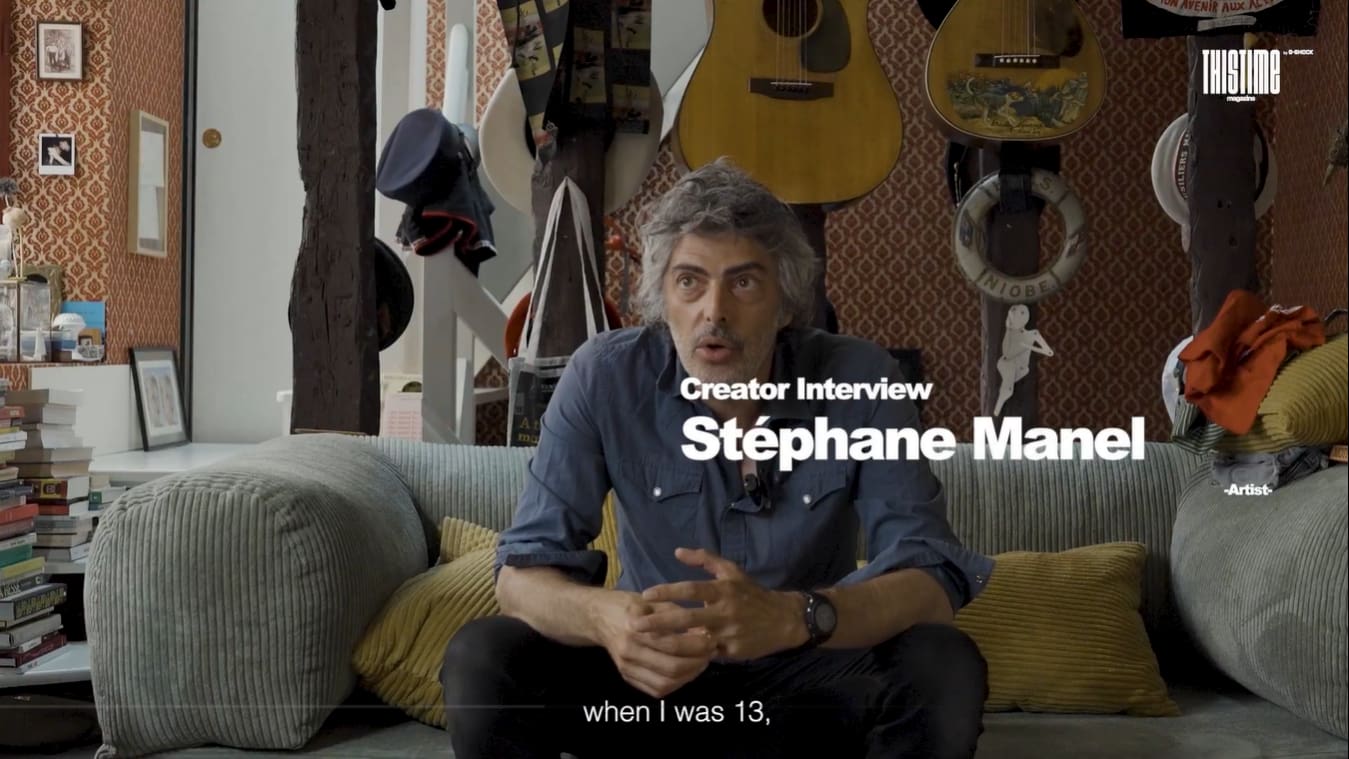
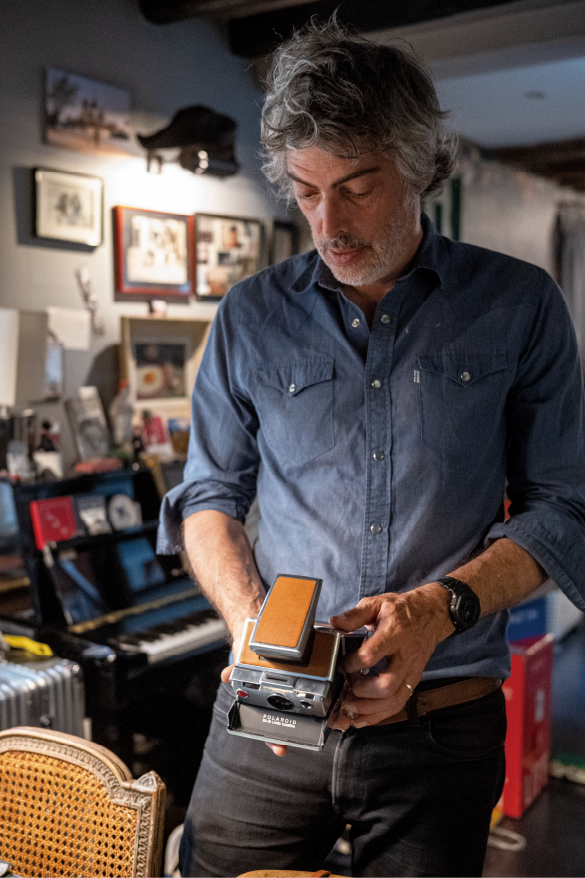
Stéphane Manel launched his career in the 1990s, with one of his earliest commissions being a record sleeve for Serge Gainsbourg, setting the tone for the years to come. Since then, his illustrations have become a constant presence in French magazines, while his portfolio has expanded to include artwork for musicians such as Sébastien Tellier and Dimitri From Paris, as well as vivid visuals for fashion and film. For this feature, we visited his home-studio near Bastille in the 11th arrondissement of Paris, where bookshelves, sketches, posters, and vintage furniture coexist effortlessly to reveal more about his creative world.
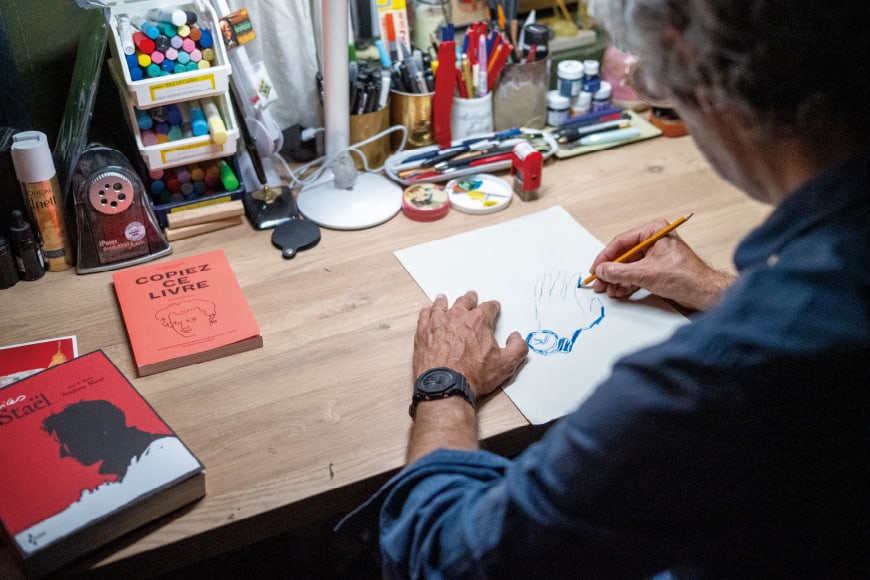
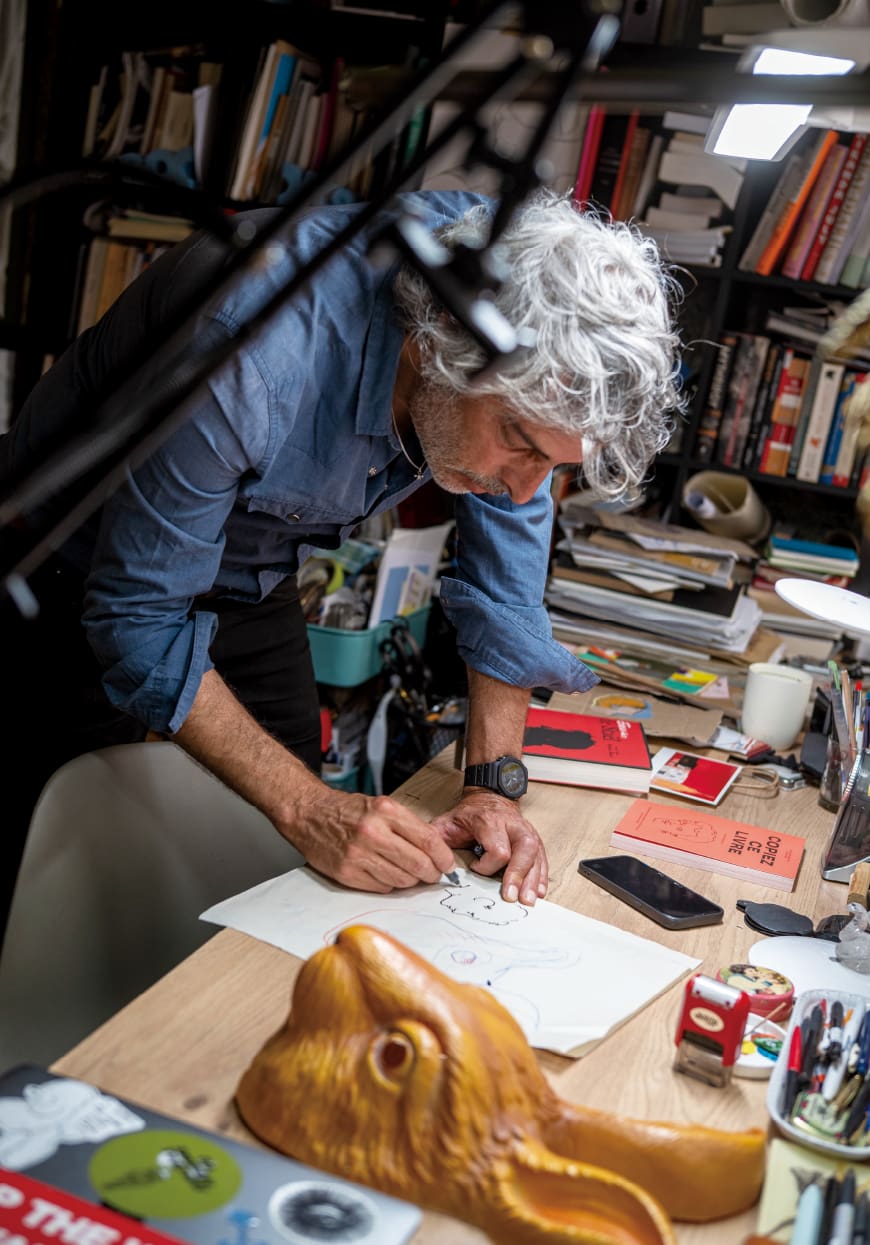
During the interview, perhaps inspired by the GA-2100 on his left wrist, Manel reached for his favorite blue pencil and began to sketch. Moving effortlessly between reality and imagination, his lines flowed without pause, revealing the fluidity and spontaneity that define his work.
―― Your atelier is also where you live?
This is a space for creation. It has music, books, artworks, and drawings by my partner Lou (Doillon) and our child. It feels like a place that contains my whole life. I also have a small workroom in the 6th arrondissement, but I move around a lot, spending time here, there, in the United States, or in the French countryside. I do not have a fixed workplace. I draw while moving and create while in transit, and that suits me.
――What are you working on at the moment?
I am currently working on my fourth book, themed around Paris. The book format is ideal for me as I can create both the text and illustrations myself, building my own world and feeling completely free. I am also involved in a large project with Sarah Andelman that features more than 300 illustrations. Recently I illustrated a record sleeve for French singer Alain Souchon and his two sons, and had the chance to attend their recording session in Saint-Germain, which was a great experience.
――What led you to become an artist?
At first I wanted to be a film director, but filmmaking involves many people and requires extensive preparation and study, while drawing can be done entirely on my own. I realised that if I could tell small stories through drawing, they could be like short films. When I was twelve or thirteen, I became captivated by a portrait by the Dada and Surrealist artist Francis Picabia, and ever since, I’ve wanted to capture side profiles the way he did. I have always been drawn to expressions that combine music and visuals, which is why I often work with musicians on record sleeves and videos. In many ways, the dreams of my youth have become reality.
――What inspires you to draw, and what inspires you?
Inspiration can come from anything, from a coffee cup in a café to a banana leaf. Most of all, it comes from people. I love drawing portraits, and I’m drawn more to the presence of someone standing still than to movement. Drawing feels instinctive to me, almost like a physical need. I even enjoy the smell of ink as the pen moves, and when I draw it feels like an extension of my own body.
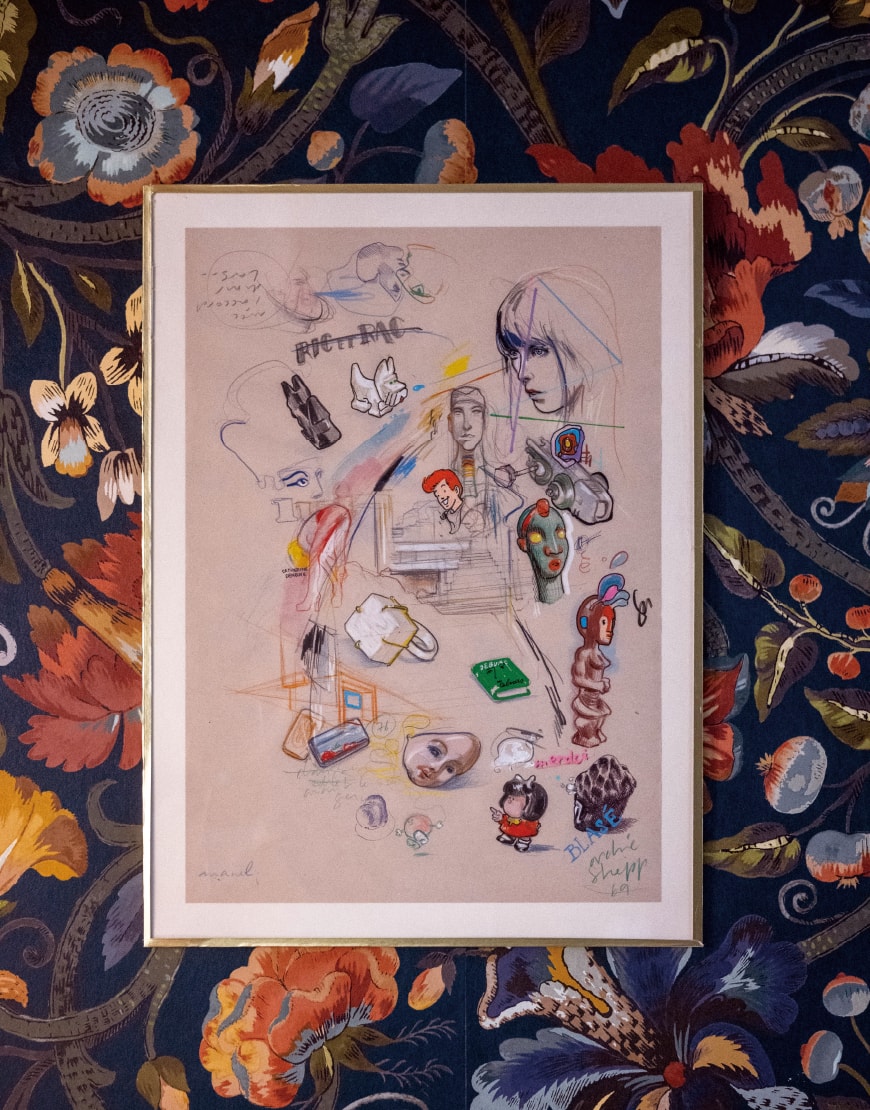
A framed work displays a range of media, from pencil and crayon to ink, giving the sense of looking straight into Manel’s mind. In the artwork, people, words, toys, and fragments of color appear to engage in a quiet conversation.
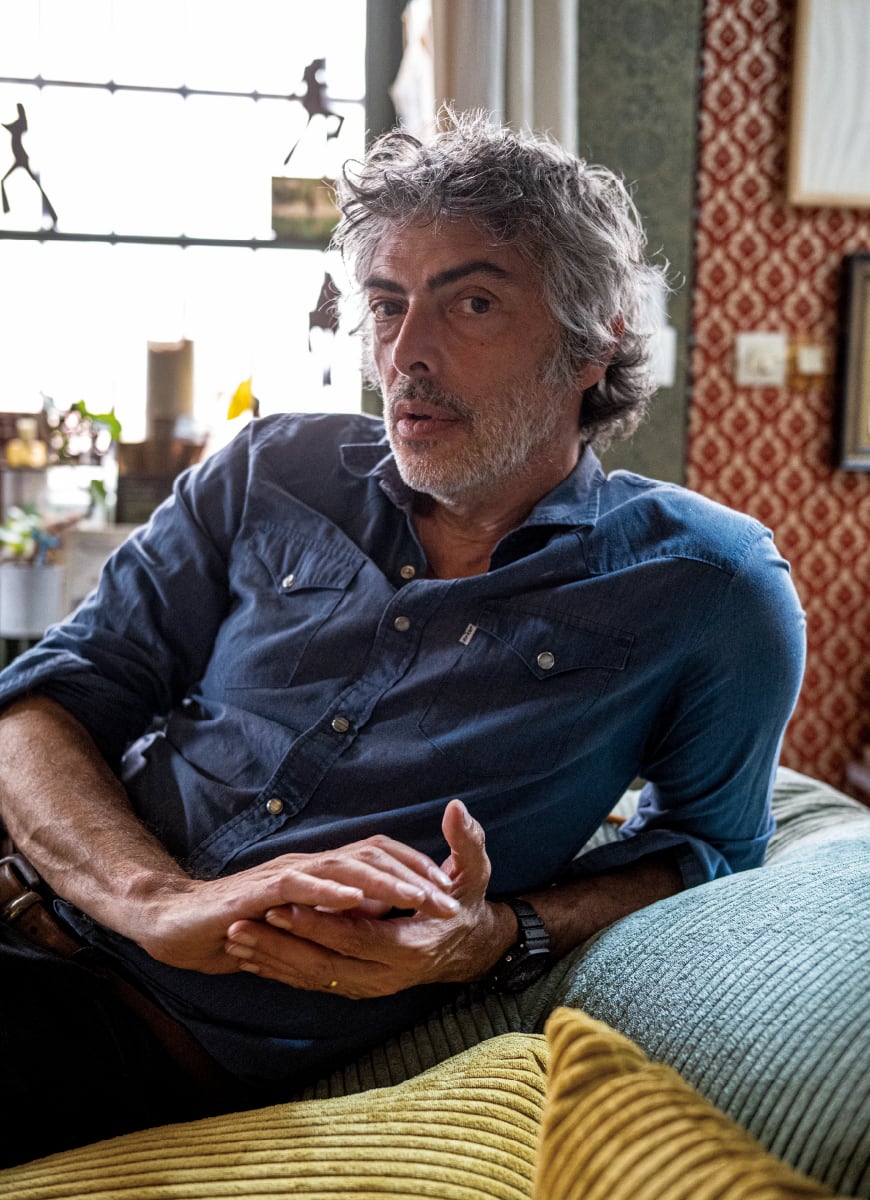
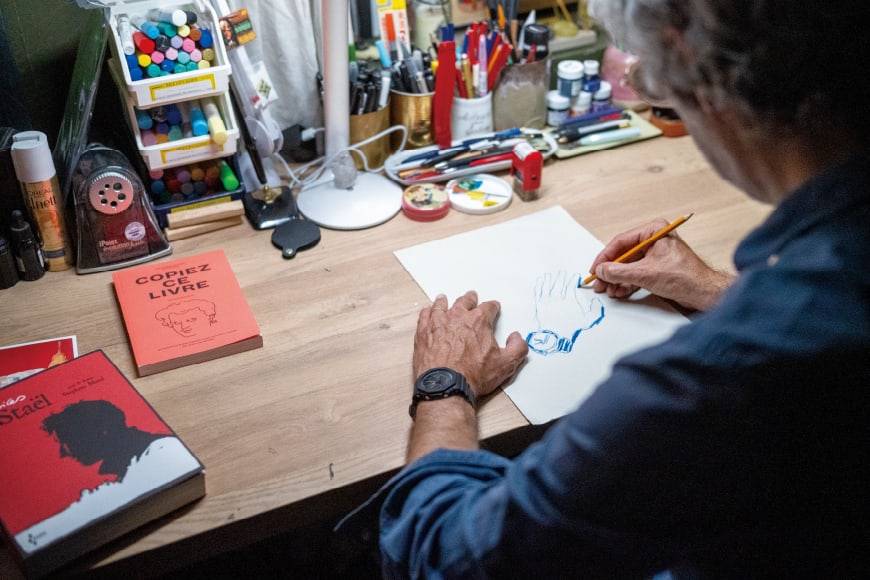
During the interview, perhaps inspired by the GA-2100 on his left wrist, Manel reached for his favorite blue pencil and began to sketch. Moving effortlessly between reality and imagination, his lines flowed without pause, revealing the fluidity and spontaneity that define his work.
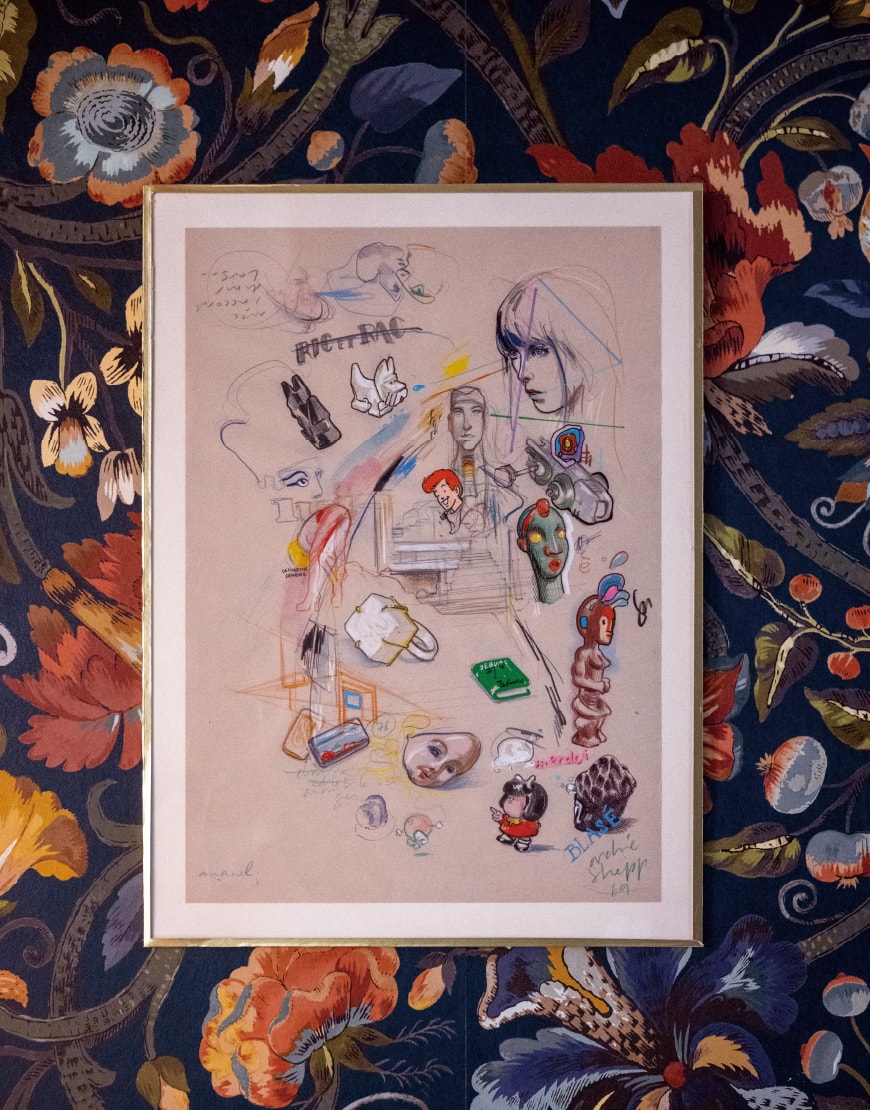
A framed work displays a range of media, from pencil and crayon to ink, giving the sense of looking straight into Manel’s mind. In the artwork, people, words, toys, and fragments of color appear to engage in a quiet conversation.
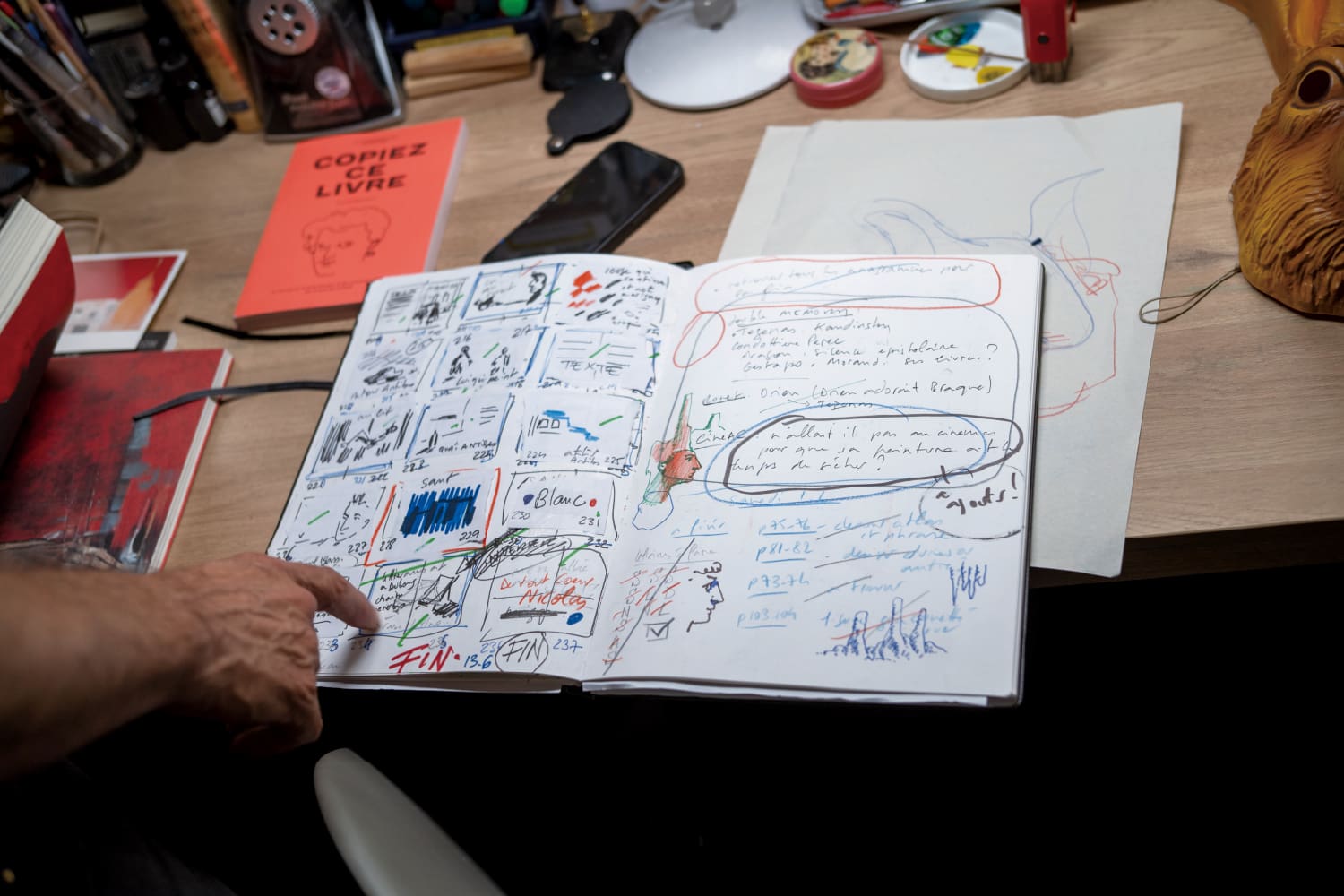
On this day, work on Manel’s new publication was nearing completion. He checked each page with care, adjusting the layout with complete focus. Even the early concepts sketched in his notebook captured his rhythm and playful spirit.
―― It seems you use a variety of tools when you draw.
Yes, I like pencils best. I also love ink and sometimes use Japanese sumi. Lately I’ve enjoyed pairing images with words to tell my stories myself. Creating both the drawings and the text allows me to bring an entire world to life from within. It feels natural to me and represents my ideal form of expression.
―― Your use of color feels distinctively French.
I was not conscious of it, but now that you say so, perhaps it is true. I have been influenced by works such as Picasso’s and David Hockney’s drawing periods. Being told it feels French is interesting. It must be something that has naturally become ingrained into me through my body and culture.
――We hear you also incorporate Japanese motifs in your work?
Yes. Recently I bought a papier-mâché dog that, according to the shopkeeper, may be around a hundred years old. My child was captivated by its colors, and I wanted to draw it too. Japan feels exotic and exciting to me. Even seeing Japanese logos or packaging makes me want to travel. I remember searching for music as a teenager, and the best records were often Japanese editions with an obi strip along the sleeve, which felt like a mark of quality. Japanese design is often crafted with more care than in the West, and it is a joy to draw.
―― Are you conscious of your own style when you draw?
I don’t really think about it, but I believe my individuality shows in the end. For me, style is about expressing the truth within yourself honestly. If you stay sincere, it naturally becomes your style. It’s interesting how often something I plan before drawing turns out completely different.
―― Like starting the day with a plan, and then it goes in a different direction.
Yes. I’m drawn to things that happen by chance and to lines that take unexpected directions. My drawings aren’t very explanatory, and I prefer a bit of ambiguity. Sometimes they might even look unfinished, but I believe the viewer can still understand without everything being shown. Lines intersect, objects and faces come closer, and by leaving room for imagination, a world takes shape. That’s how I draw now. I probably arrived at this style about ten years ago, but I’ve never thought of it as “my style.” I just let the world in my head flow through my hand onto the paper. For me, the ideal form of expression is one that is free, sincere, and truthful.
―― Tell us about the artwork you created for G-SHOCK.
I’ve always thought of G-SHOCK as futuristic. For someone who loves vintage comics and superheroes, pairing them with G-SHOCK felt like a perfect match. I added a touch of humor to the piece. I like this GA-2100 model in solid matte black, so I added green, yellow, and blue to the background to make it stand out and enhance the contrast. For me, even ideas that seem quick to draw are often the result of long contemplation. It’s a process similar to Japanese painters, observing for a long time before capturing it in a single stroke. I took my time and enjoyed working on this project.
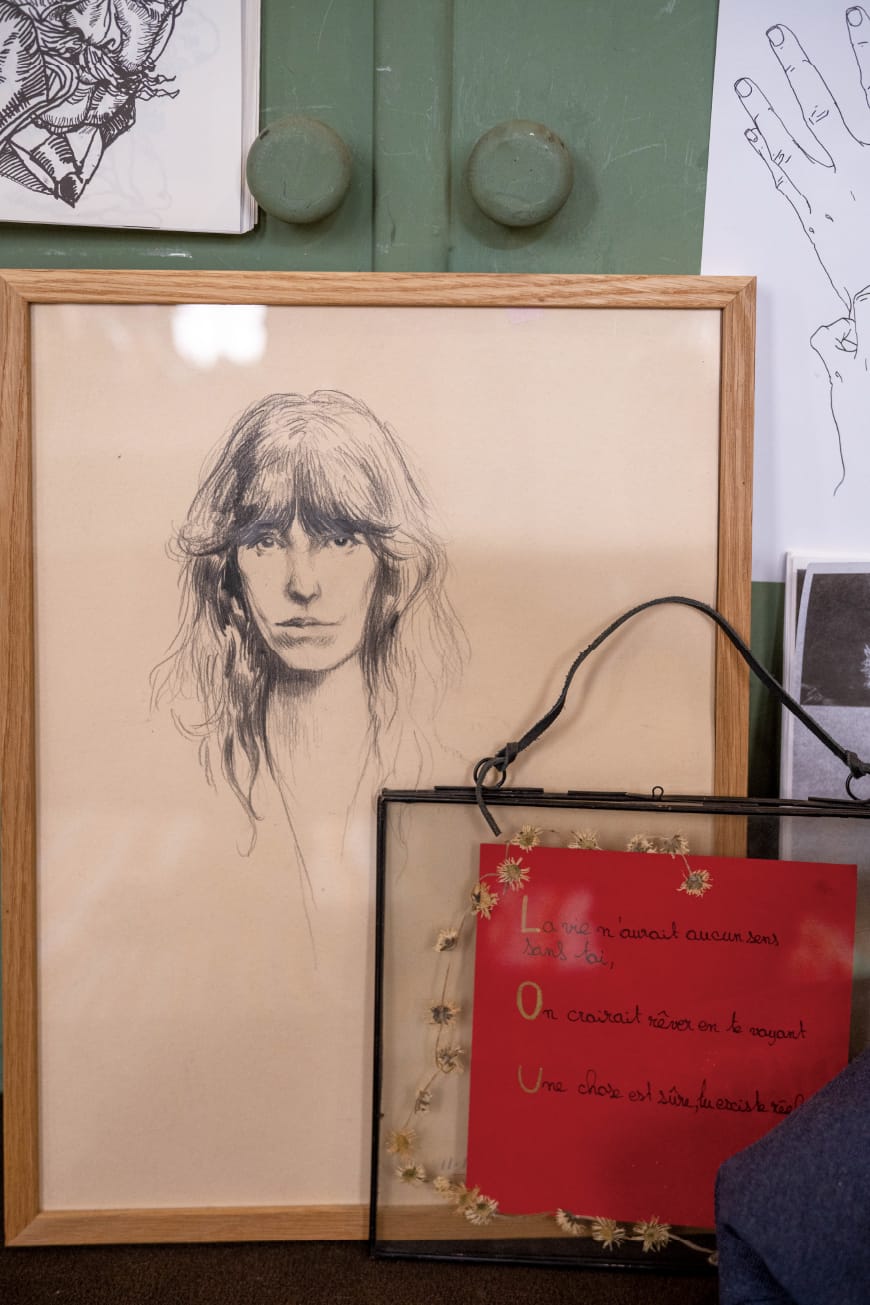
Manel’s partner, Lou Doillon, is a multi-artist known as both an actress and a musician, and the daughter of Jane Birkin. The atelier is a shared space, her belongings scattered throughout, giving it the warmth and character of a true family space.
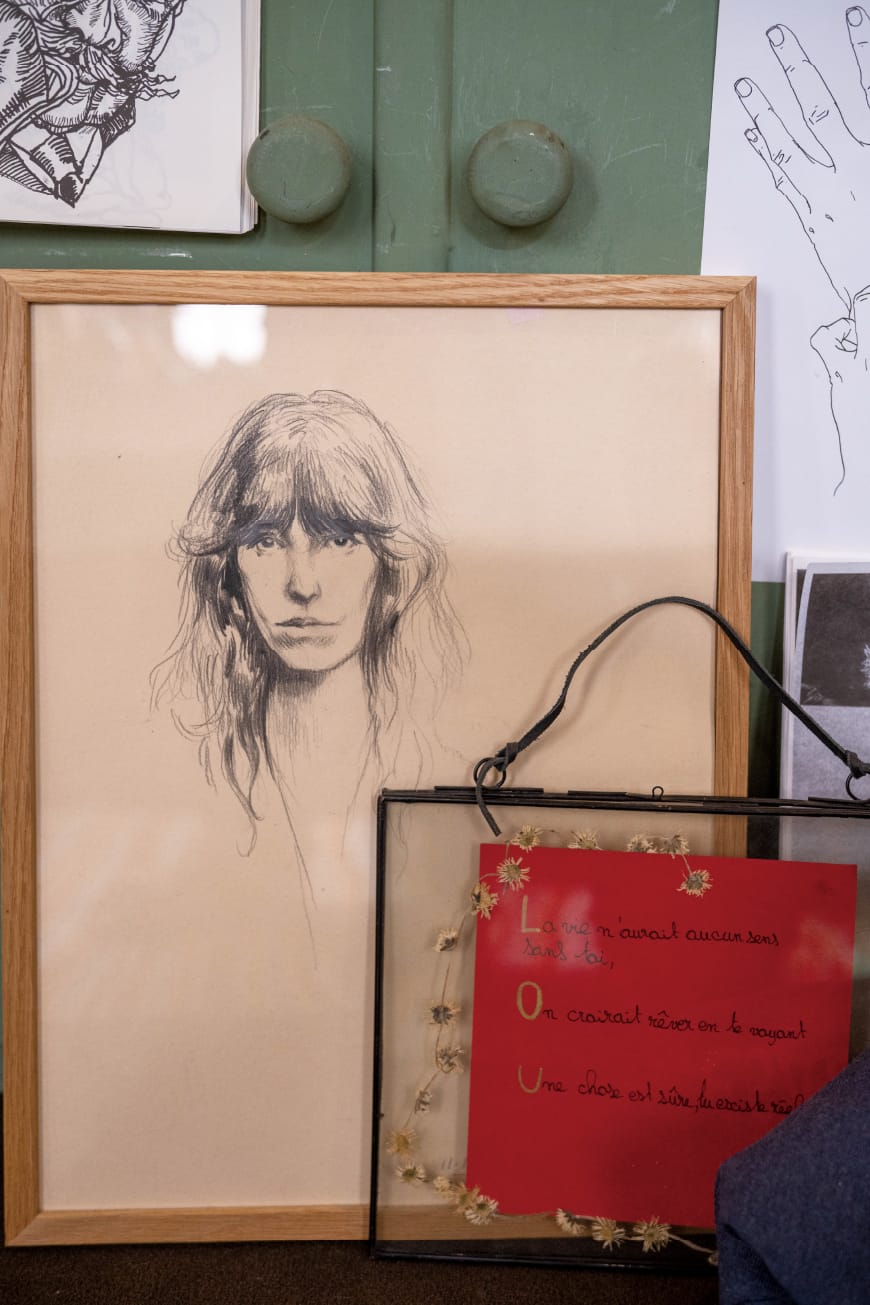
Manel’s partner, Lou Doillon, is a multi-artist known as both an actress and a musician, and the daughter of Jane Birkin. The atelier is a shared space, her belongings scattered throughout, giving it the warmth and character of a true family space.
Profile.
Stéphane Manel
Born in Paris in 1971, Stéphane Manel is known for his delicate hand-drawn style, marked by wit and elegance. Since beginning his career in the 1990s, he has worked across French culture and graphic arts, contributing to the worlds of music, film, and fashion. His publications include Memory Lines (2019) and All The Things You Are (2020).
Instagram. @stephanemanel
Photography. Shoichi Kajino
Interview & Text. Ko Ueoka
Edit. Takayasu Yamada_THOUSAND




THISTIME magazine
G-SHOCK Meets Paris Chic