








Creator Interview
-Pablo T-Shirt Factory Founder-
Born From Craftsmanship
Forged For A New Generation
In Paris’s lively 10th arrondissement, a small print workshop is making big waves.
Pablo T-Shirt Factory, owned by Pablo Attal,
has become a beacon for the city’s new creative generation.
Attal, who began modeling in his early teens,
now at 27 channels his meticulous craft and extensive network into a practice
that bridges local roots with global reach.
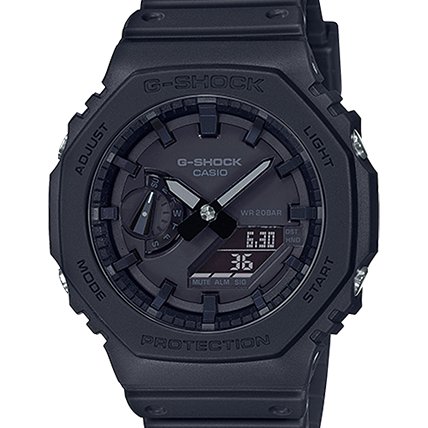
When we met him, he stood before a custom artwork inspired by the G-SHOCK GA-2100.

Instead of paper or canvas, Attal had transformed the very frames used in screen printing into works of art. The piece distilled the G-SHOCK’s core themes of time, toughness, impact, layering them with his own hand-made process. The frame seems to pose its own question: “Are you creating something that will endure the test of time?” It’s a challenge woven into the work itself, inviting the viewer to reflect.
Interview
Believe In Luck And In Action,
And Seize Unexpected Oppotunities
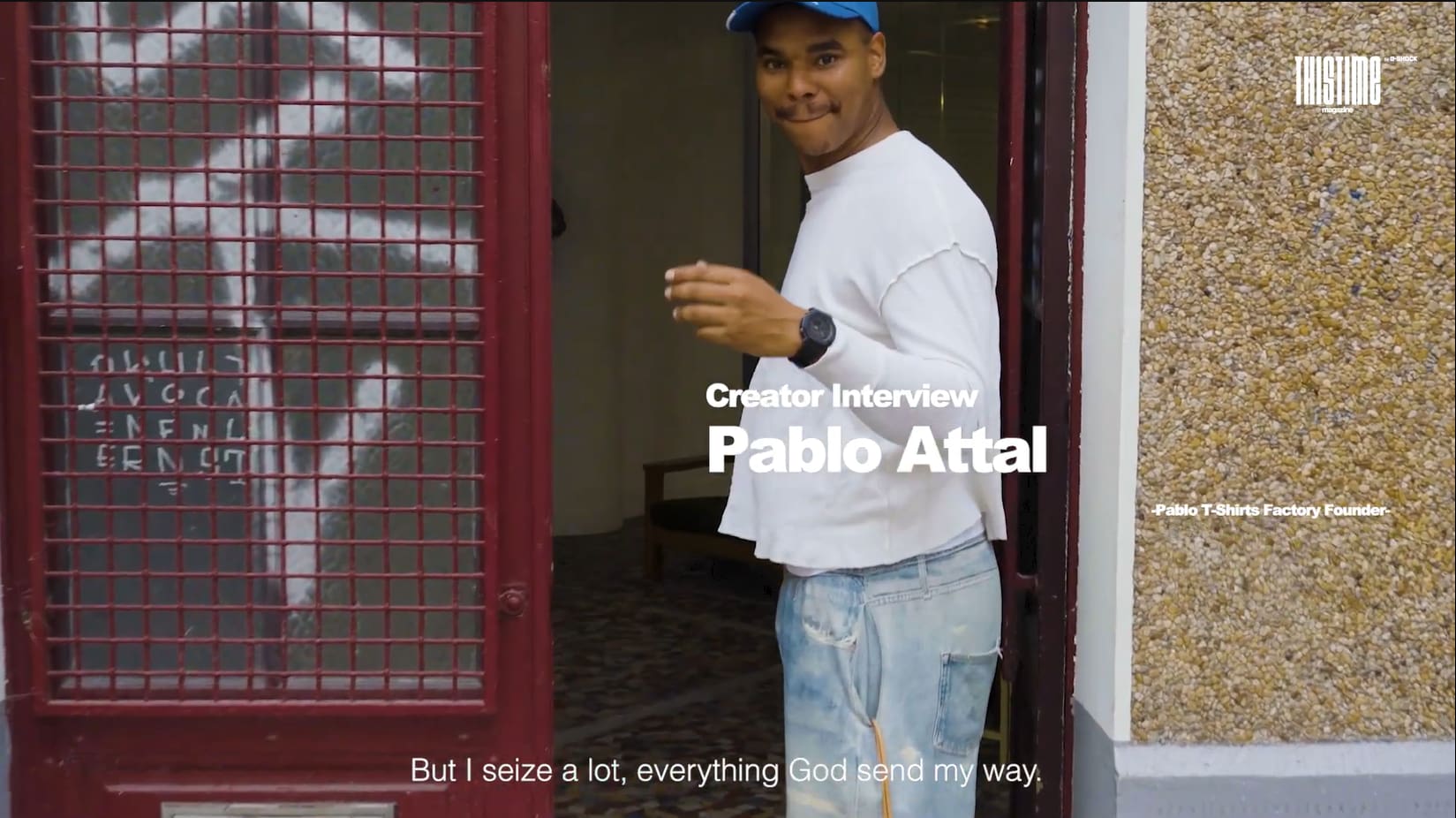
Raised in the 18th arrondissement near Montmartre, Attal grew up surrounded by street culture and hiphop. After gaining recognition as a model for names like Gosha Rubchinskiy, he launched the screen-printing workshop Pablo T-Shirt Factory in 2021. While deeply connected to his neighborhood, he has worked with international fashion houses and built friendships with artists such as A$AP Rocky and Pharrell Williams, who are connections that have helped him expand his creative community far beyond Paris. Clear-eyed and hands-on, he navigates the demands of production while keeping the work grounded in authenticity. To explore its roots, we visited his workshop.
―― Could you tell us about the background behind launching Pablo T-Shirt Factory (PTSF)?
I was working at an agency producing campaigns and content for sports brands. When I decided to leave and return to school, I wanted to try something with silkscreen printing first, since it had always interested me. At the start, my plan was small, taking on jobs and outsourcing the production. Then I posted a video to my private Instagram, and it unexpectedly went viral, leading to nearly 400 inquiries in just a few days. That made me decide with a close friend to do this seriously, and we founded the company in 2021. The first three years were chaotic, learning everything on the run. Even with screenprinting skills, building a company around them was a completely different challenge. Now, in our fifth year, we are finally starting to see the full picture.
――What kind of projects are you currently working on at PTSF?
We focus on three main areas. First is commissioned screen printing for clients who have ideas but lack the tools or skills to realize them. Second is our own brand, PTSF, launched in 2025. We make T-Shirts and other items that focus on materials and construction rather than graphics, which can be bought wholesale as blank bases or as finished products. Third is our new retail shop, opening in September. It will sell our products and also host pop-ups for brands from France and abroad, with a Tokyo pop-up planned for November.
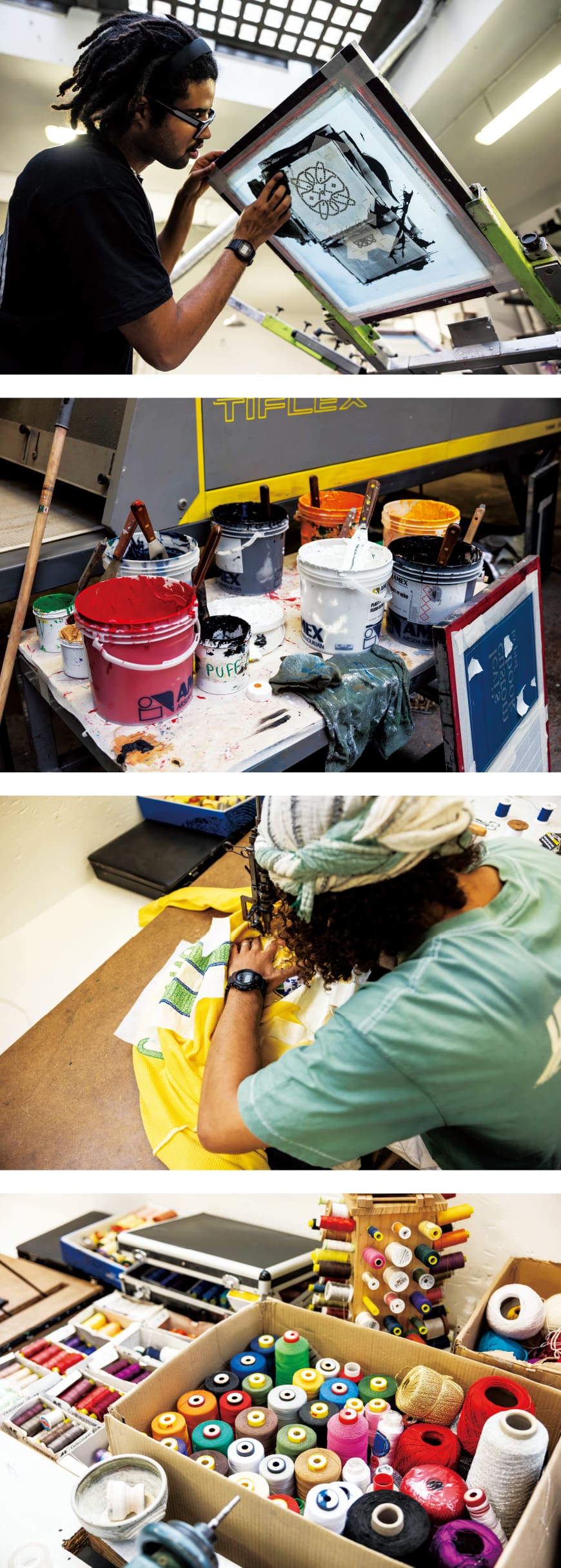
The recently renovated workshop, just minutes from République station. Screen-printing frames, machines, dryers, and cans of ink fill the space. It is a place where ideas take shape and every print carries the makers’ energy. Each day, new sparks of Pablo’s magic are born in this small workshop.
―― You have worked with artists like A$AP Rocky and Pharrell Williams. How did those connections happen?
Networks lead to more networks, and one action creates the next. By putting everything into your work and sharing it, you naturally expand your circle. The A$AP Rocky project started when a friend introduced me after hearing he needed a print workshop.
―― And with Pharrell?
That began with meeting his business manager, Loïc Villepontoux. I knew of him from social media, but the first time we spoke was during a short stop at a red light on a bicycle in Paris. We introduced ourselves, he told me to send him a message, and a few days later he visited the workshop. That led to me hosting a project related to one of Pharrell’s films, and we have since worked together on four projects. These encounters are a mix of luck and action. If you respect someone’s work, do not hesitate to approach them, introduce yourself, and express that respect. It can open the door to new connections and projects. Of course, not everything works out, but taking the first step is the most important part.
――What are your thoughts on the current creative scene in Paris?
Paris is incredibly lively and stimulating right now. I grew up here and have lived in other cities, but the fact that I am still here says a lot about its appeal. It is a place where the highest standards are expected in every field, from food to fashion to art. When I started out in streetwear, I was overwhelmed by those standards, but they have become my strength. Being shaped in such a demanding environment makes me realize my skills and sensibilities stand out elsewhere. To be recognized here, you need either a bold challenge or perfect execution. That is what makes Paris’s creative scene so compelling. Just look at how many creators from all over the world are drawn to this city. Everyone wants to mark their career with the name Paris.
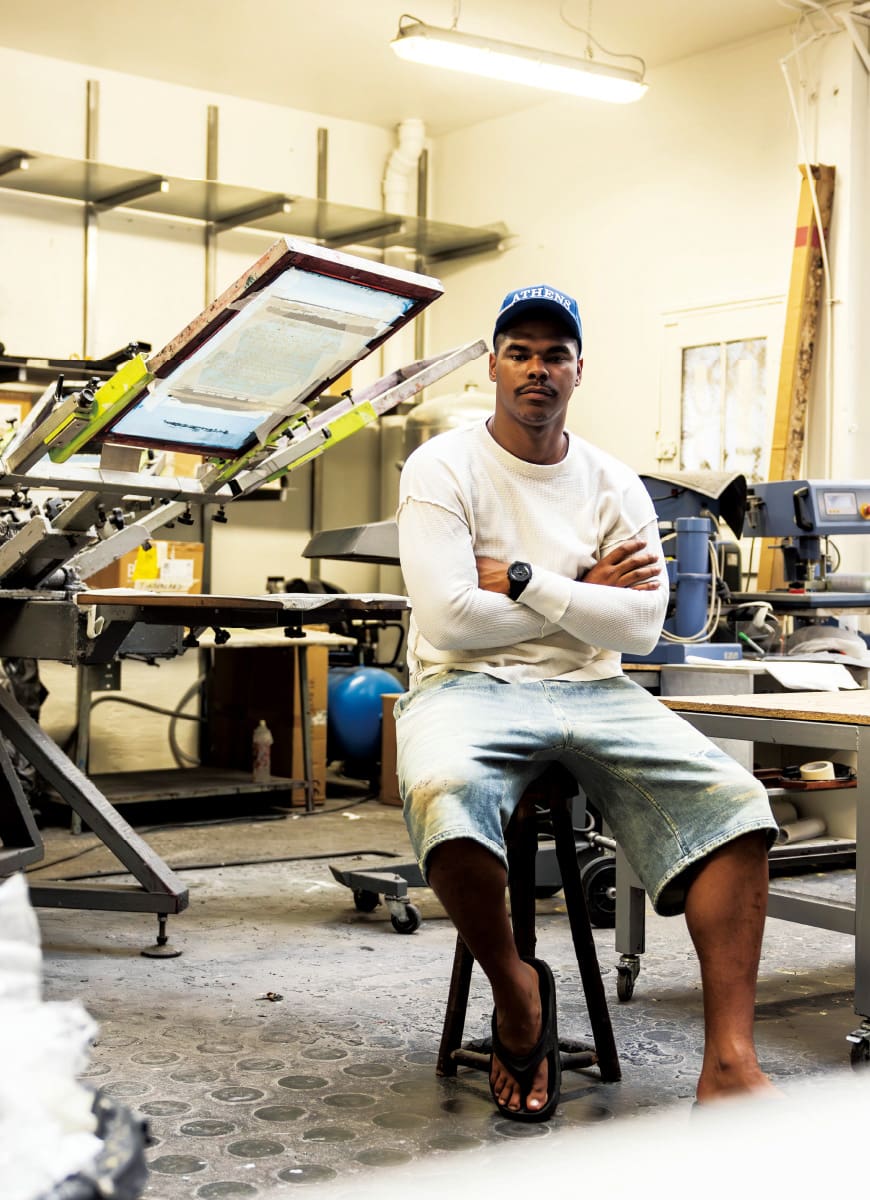
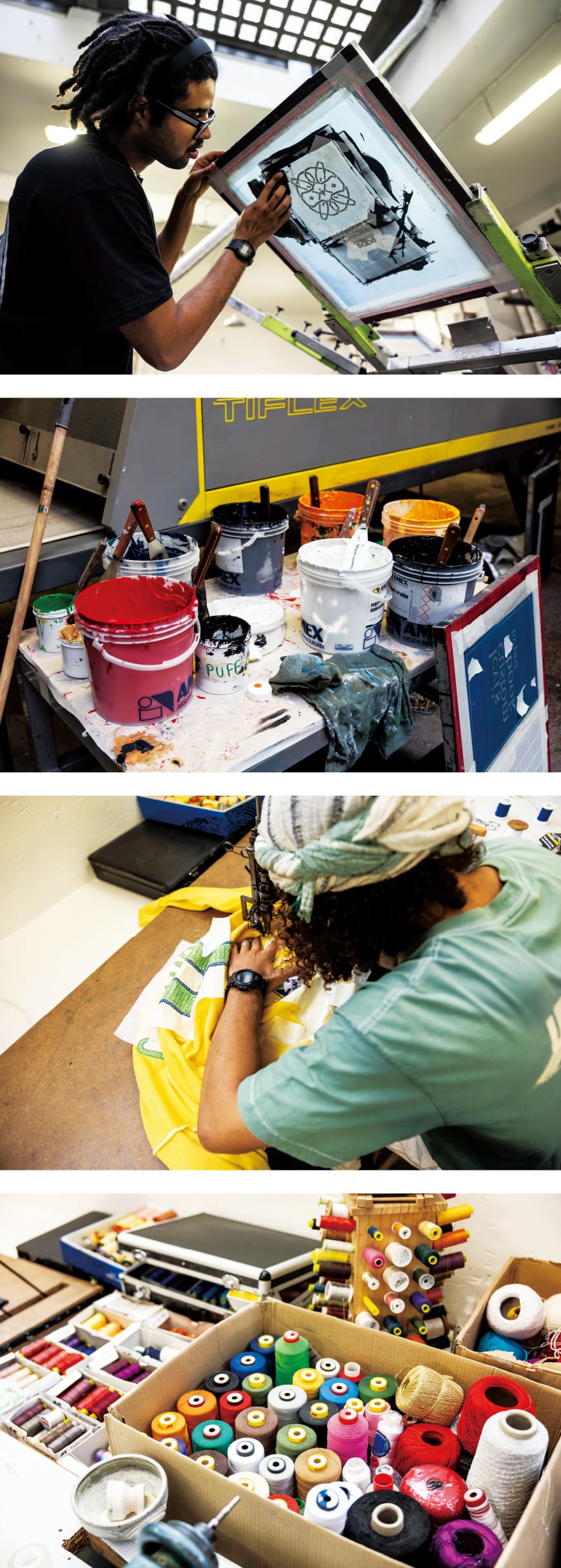
The recently renovated workshop, just minutes from République station. Screen-printing frames, machines, dryers, and cans of ink fill the space. It is a place where ideas take shape and every print carries the makers’ energy. Each day, new sparks of Pablo’s magic are born in this small workshop.
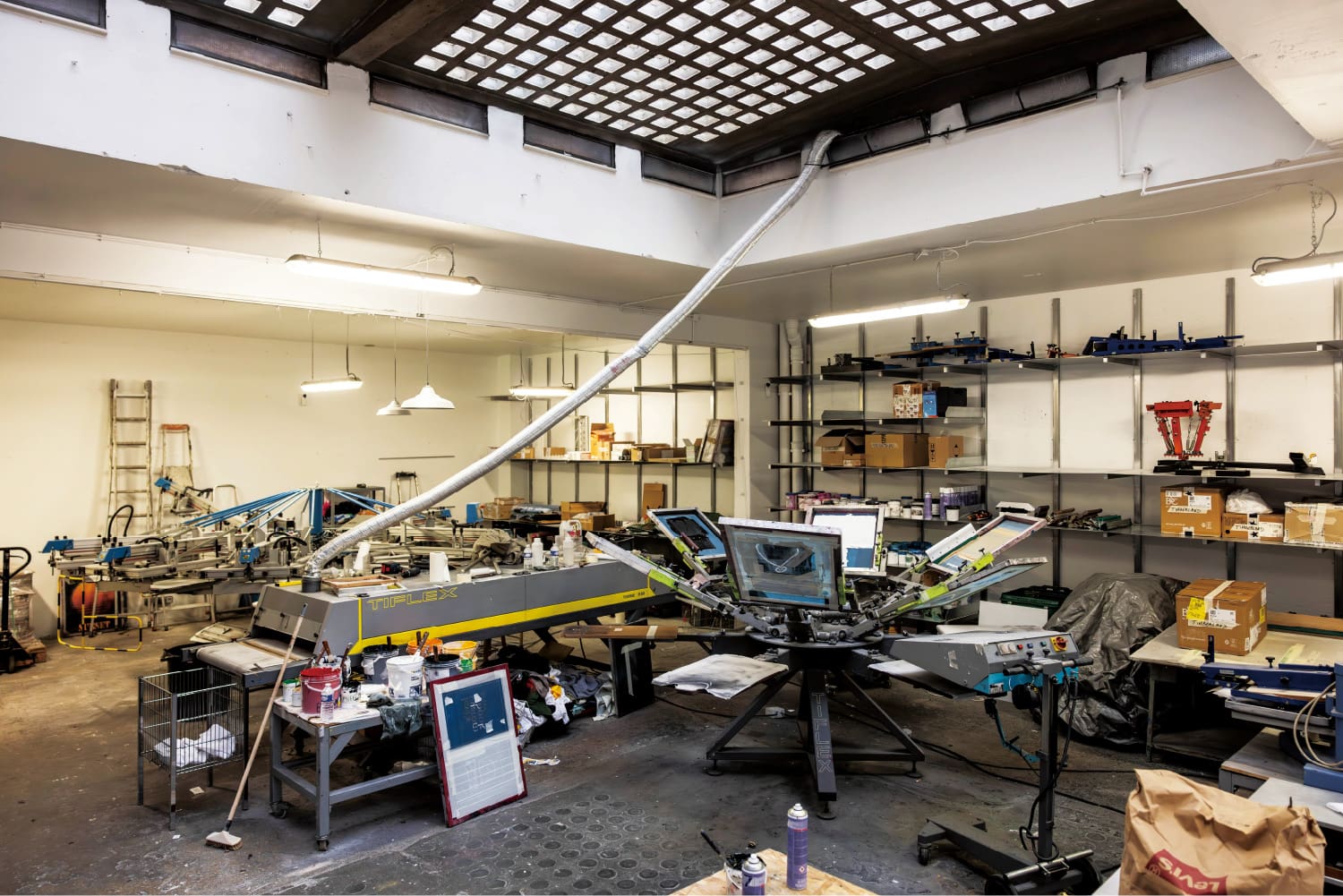
Inside the atelier, craftsmen work in quiet concentration, their hands moving with steady precision. Of the twelve members on the team, seven operate the large printing machines and dryers, while others handle sewing and finishing. The air is heavy with heat and the scent of ink, and each piece is approached with unwavering focus and physical endurance, sweat wiped away before moving on to the next.
―― Tell us about your first G-SHOCK.
It was a small, glossy red model I bought around 2008, and I loved it. For a teenager, it represented coolness. It was affordable if you saved up a little, and having a “G” was a status symbol like sneakers. Back then, there was no other watch I wanted. It was not just about style either. Artists like Pharrell and other rappers wore them, which gave the watch a powerful cultural pull. For me, it was a must-have.
―― One of the core elements of G-SHOCK is toughness. What does toughness mean in your work?
Toughness is constant in our work. We produce in a semi-industrial setup, and the conditions are demanding. The heat, the noise of the machines, and the smell of ink are part of the process. Social media only shows the final polished product, not the sweat and effort behind it. Many brands outsource production, but we take orders and make everything ourselves, from sewing to printing. It is part of the service industry yet a physically demanding craft, and it requires resilience at a very high level.
―― Tell us about the artwork you created for us.
The concept began with the screen-printing frame, which is always the foundation of what we do. This time, instead of a T-shirt, we designed a frame for a magazine feature. We always start by setting a concept, clarifying what we want to express and then finding the visuals and angles to match. For this design, the concept was time, with the question, “Are you creating something that will endure the test of time?” By linking it with G-SHOCK’s toughness and shock resistance, we created something that we feel delivers a strong impact.
――What is your vision for the next five years?
When we started the company, we promised ourselves we would give it ten years. We are now halfway. Over the past four years, we have become a more structured organization and have been able to set clear targets and forecasts. With our three pillars of service, brand, and retail now in place, the challenge for the next five years is how to grow each one. I am looking forward to it.
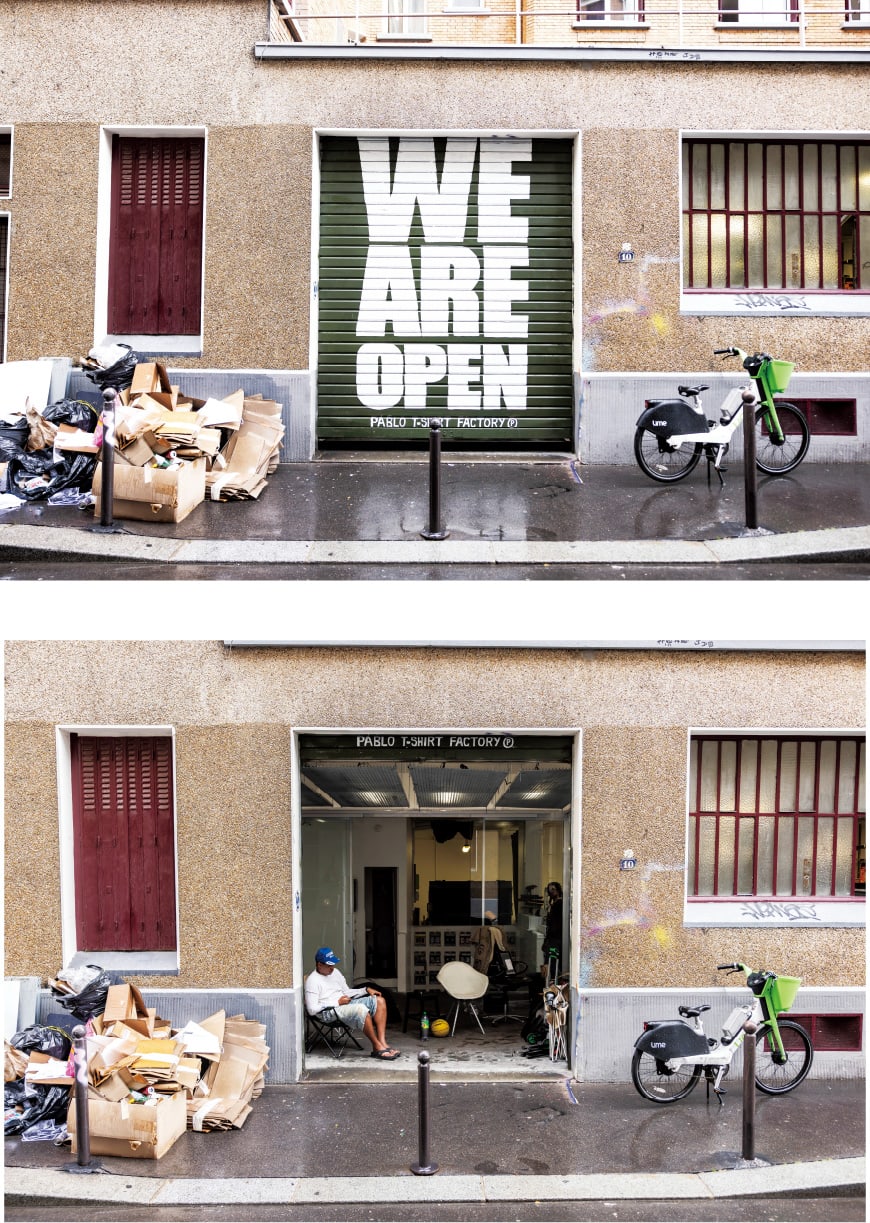
Pablo T-Shirt Factory’s bright green shutter has become a neighborhood landmark. Below ground, the basement serves as storage for materials and inventory. On the first floor, the sounds of machinery mingle with the voices of the staff in the workshop and office. Upstairs, a shop set to open in September is already a place where friends and collaborators drop by unannounced. It is a creative hub where people and ideas flow freely.
Profile.
Pablo Attal
Born in Paris in 1998, Pablo Attal began his career as a model at a young age before founding the screen-printing workshop Pablo T-Shirt Factory in 2021. In addition to collaborations with global brands such as Timberland and Champion, he has launched his own apparel line and retail shop, expanding his creative stage beyond the bounds of the workshop.
Instagram. @pabloattal
Photography. Leblan Shady
Interview & Text. Ko Ueoka
Edit. Katsuya Kondo_THOUSAND




THISTIME magazine
G-SHOCK Meets Paris Chic