




Free shipping on orders over $99
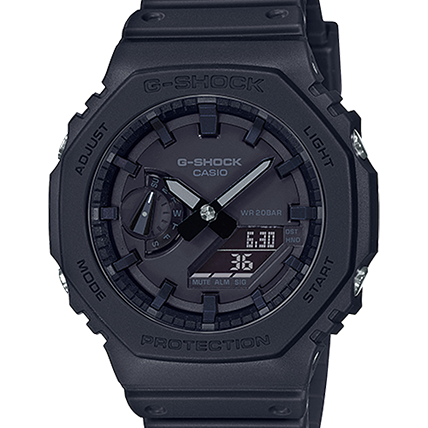
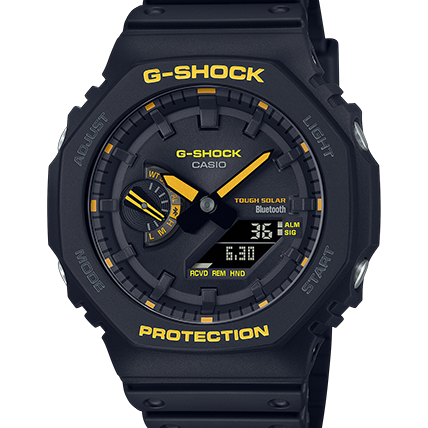
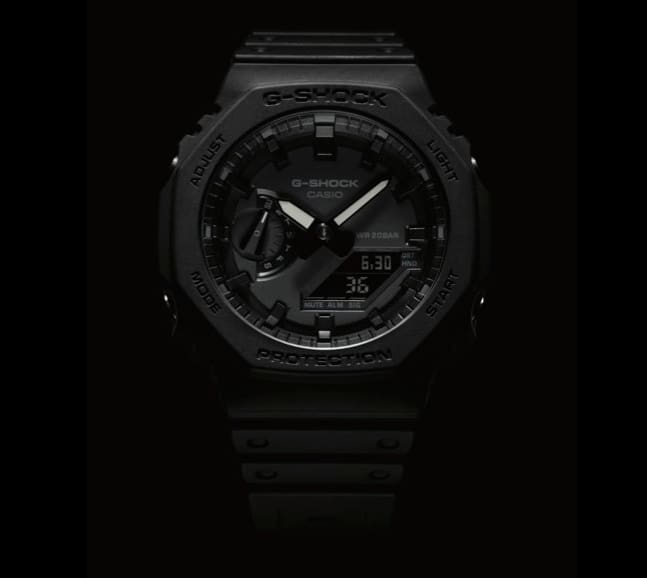
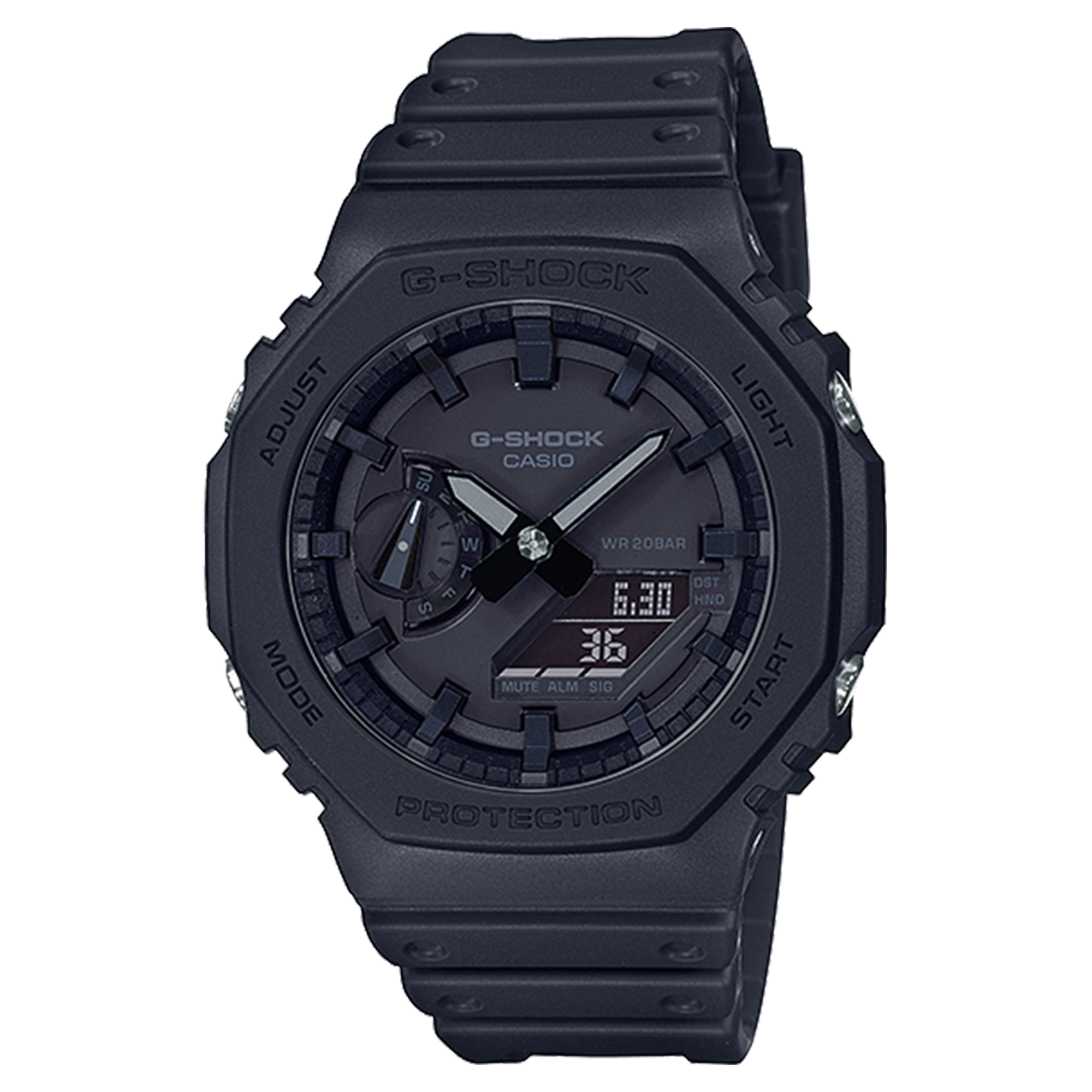
In 2026, five G-SHOCK models underwent testing using selected MIL-STD-810 methods, including the G-SHOCK GA2100-1A1. This all-black mil-spec watch pairs the popular GA2100 octagonal bezel and analog-digital dial with Carbon Core Guard construction, shock resistance, 200-meter water resistance, and an approximately three-year battery for a rugged design with excellent performance and blackout style.
Mil-Spec Watch Testing
In a laboratory test program conducted by Element, an independent testing laboratory, evaluated the GA2100-1A1 across selected environmental and dynamics procedures covering weather, water, temperature, dust, vibration, shock, and low pressure. Discover more G-SHOCK military watches designed for demanding conditions. Other G-SHOCK GA-2100 watches are also available. The Element report recorded no physical or visual damage after each listed procedure. Review the G-SHOCK mil-spec watch testing program for an overview of all 12 tests and the other models evaluated.

Only the GA2100-1A1 was included in the laboratory test program. Although constructed with similar designs and materials, other watches in the GA2100 series were not tested
*Although the G-SHOCK GA2100-1A1 underwent the same test program, the watch shown in the video is the MUDMASTER GGB100XM-1A.
The GA2100-1A1 was one of five G-SHOCK models evaluated in a 12-procedure program. Testing included low pressure at altitude, blowing rain, salt fog, freeze/thaw, random vibration, mechanical shock, high temperature, low temperature, immersion, aggravated humidity, solar-radiation heat loading, and blowing dust. The popular GA2100 series was a prime candidate for this rigorous testing, and G-SHOCK selected the all-black GA2100-1A1 for the test program.
From driving rain and immersion to corrosive salt fog, high humidity, and repeated freeze/thaw cycles, the GA2100-1A1 faced a punishing series of water and weather tests. With legendary G-SHOCK shock resistance and 200-meter water resistance, this all-black military watch is built to perform when conditions turn wet, cold, and unpredictable. Reliable construction and design help to protect the watch from the ever-changing weather conditions that military operations face around the world.
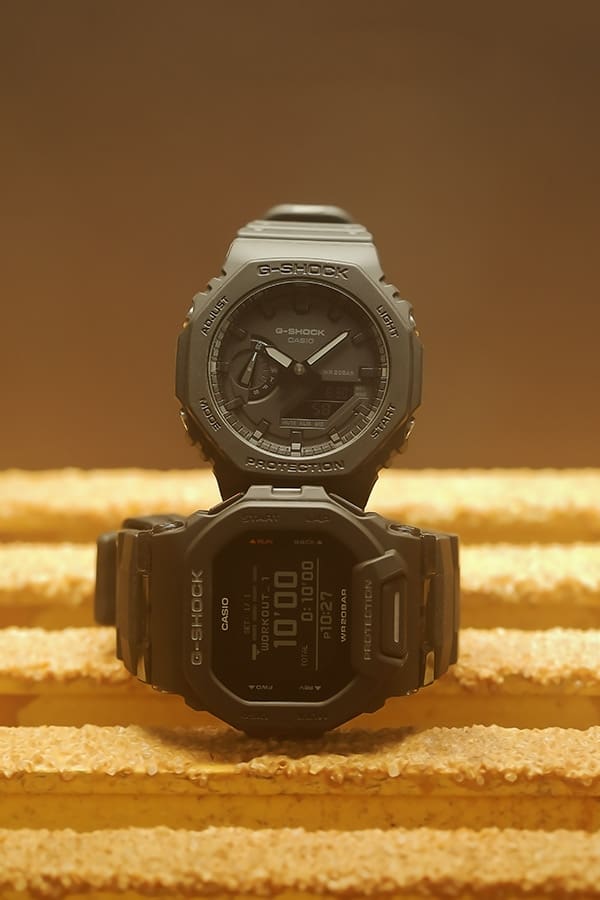
The GA2100-1A1 mil-spec watch (top) and GBD200-1 during salt-fog testing.
Salt spray can be relentless. Along coastlines, aboard ships, and anywhere sea air hangs heavy, salt and moisture can expose weak points and accelerate corrosion. To put the GA2100-1A1 to the test, Element subjected it to MIL-STD-810G, Method 509.5: 24 hours in a 95°F chamber filled with approximately 5% salt mist, followed by 24 hours of drying—then repeated the entire cycle.
The watch stayed powered and operational throughout. After 48 total hours of salt-fog exposure and another 48 hours of drying, Element found no corrosion and no physical or visual damage. It was a tough four-day challenge—and a strong result for this slim, all-black G-SHOCK military watch.
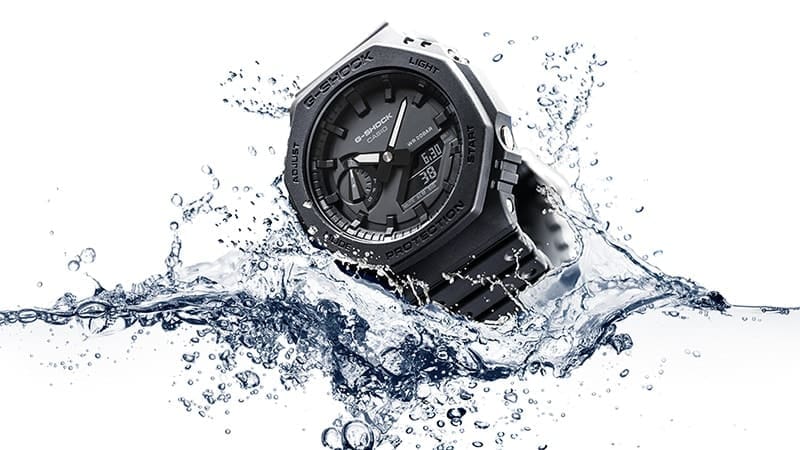
Salt fog was only part of the challenge. The GA2100-1A1 was blasted by 40 MPH winds and rain falling at four inches per hour, then submerged beneath one meter of water for 30 minutes. It emerged with no physical or visual damage—another hard-earned demonstration of G-SHOCK Absolute Toughness for a slim, all-black G-SHOCK military watch built with 200-meter water resistance.
High- and low-temperature exposure, solar-radiation heat loading, blowing dust, and freeze/thaw cycling evaluated the GA2100-1A1 under temperature changes and airborne-particle conditions that can challenge outdoor equipment.
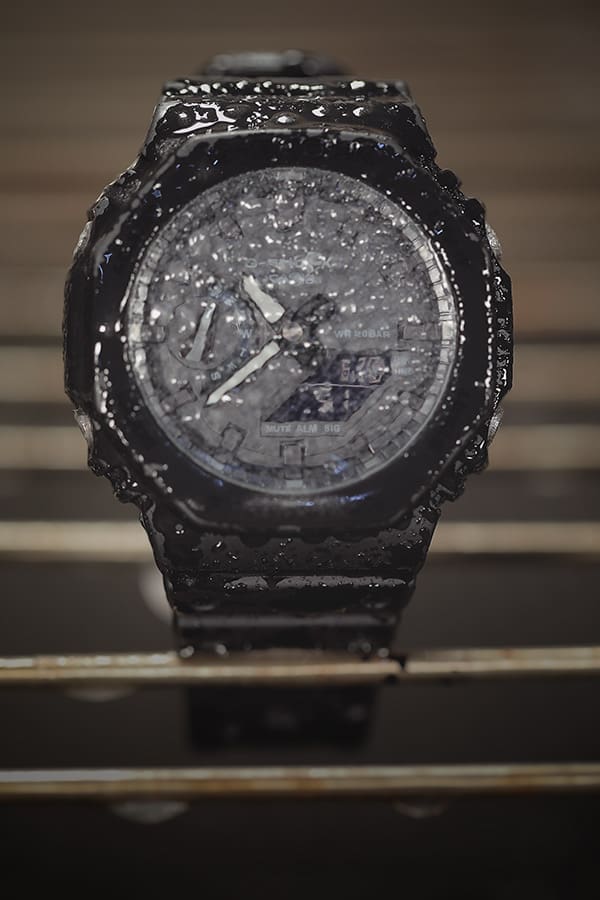
Moisture condenses after repeated freezing and thawing of the GA2100-1A1.
Freezing the GA2100-1A1 once wasn’t enough. During MIL-STD-810H, Method 524.4, Procedure I, the watch faced 20 rounds of punishing temperature swings as the chamber plunged from 72°F to 12°F, then rose to 44°F for the thaw—again and again. Technicians monitored the watches as frost repeatedly formed across their surfaces.
The close-up image shows just how severe the conditions became, with frost and moisture clinging to the octagonal bezel and scratch-resistant mineral glass of the GA2100-1A1. Yet after the final thaw, the watch remained functional, and Element found no physical or visual damage.
Separate procedures exposed the GA2100-1A1 to high temperatures reaching 65°C (149°F), low temperatures reaching -20°C (-4°F), three 24-hour solar-radiation heat-loading cycles, and blowing dust across six faces. Element recorded no physical or visual damage after these procedures. Again and again, these simulations of brutal weather conditions demonstrate the toughness and reliability of G-SHOCK military watches in an unreliable environment.
Explore the resistance features of the GA2100-1A1 that matter most to military operations, law enforcement, and rugged adventures.
Different kinds of force call for different types of testing. Random vibration, mechanical shock, and low-pressure altitude procedures assessed G-SHOCK military watches under dynamic movement, impact, and reduced-pressure conditions. Together, these procedures add another dimension to the G-SHOCK reputation for shock-resistant design.
Random-vibration testing subjected the GA2100-1A1 to frequencies from 20 to 2,000 Hz at 7.7 Grms for one hour along each of three axes. Across three hours of vibration testing, the GA2100-1A1 took on continuous, irregular shaking without physical or visual damage.
Mechanical shock tested the GA2100-1A1 against sudden impact. Secured to a drop-tower fixture, the watch endured 18 drops from nearly 10 feet, with forces applied in positive and negative directions along all three axes. The GA2100-1A1 again emerged without damage, demonstrating the protection provided by G-SHOCK shock resistance and its Carbon Core Guard structure.
Low-pressure testing extended the evaluation to high-altitude conditions. Inside a chamber recreating the thin air at 15,000 feet, the GA2100-1A1 remained powered and operational at 8.29 PSIA for one hour. It completed the test with no physical or visual damage, reinforcing its dependable performance when elevation pushes equipment beyond ordinary conditions.
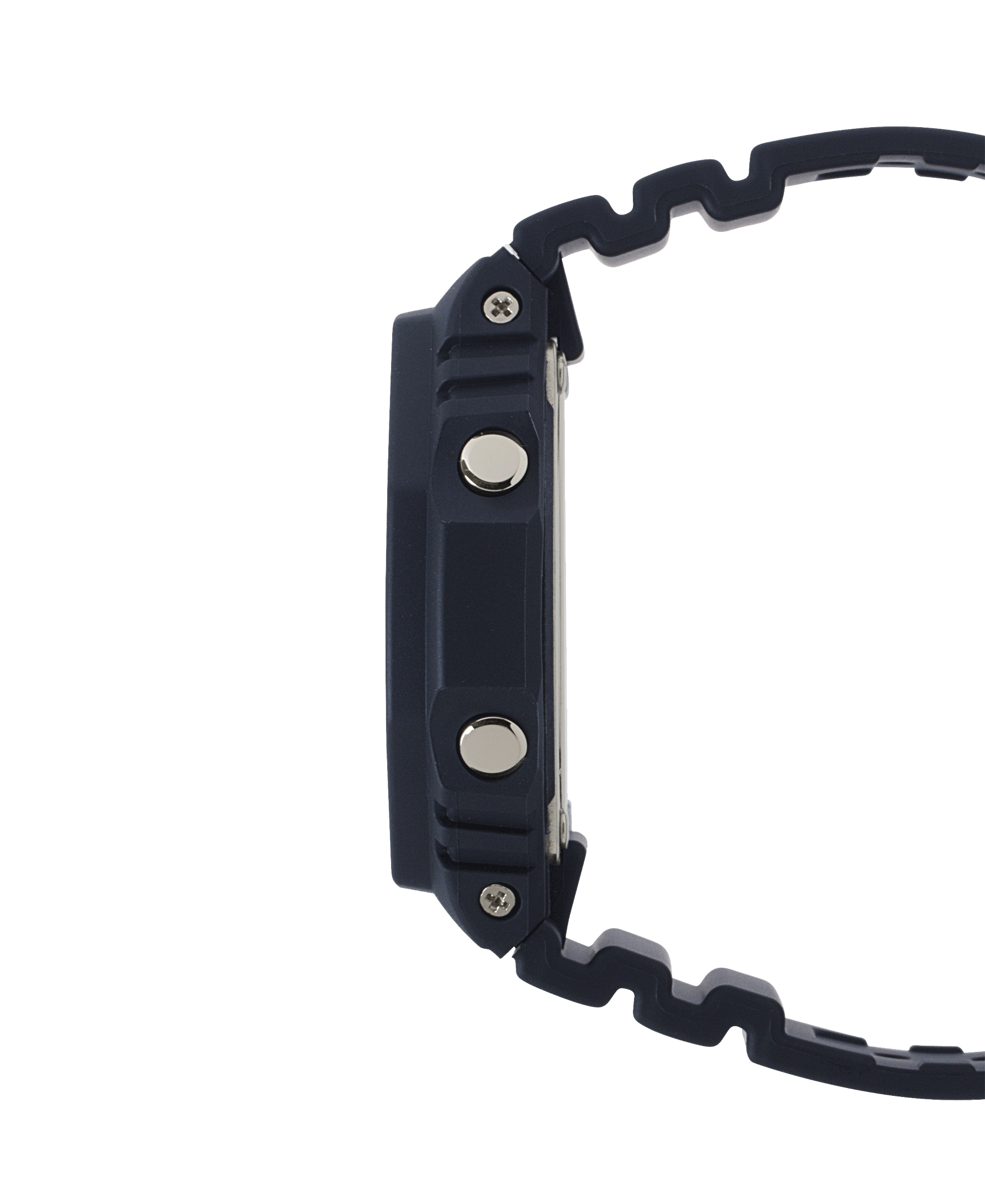
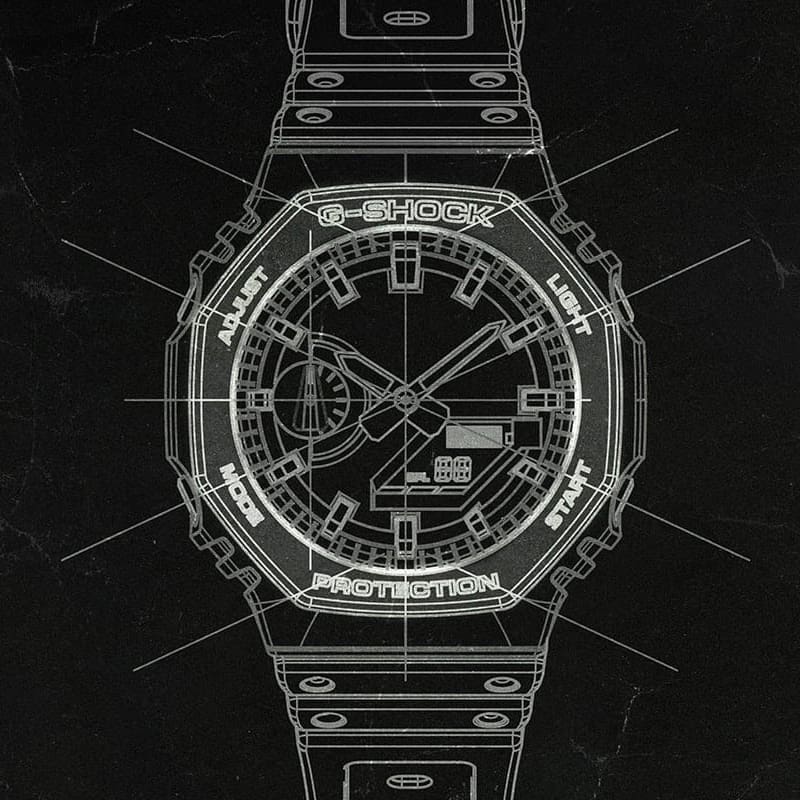
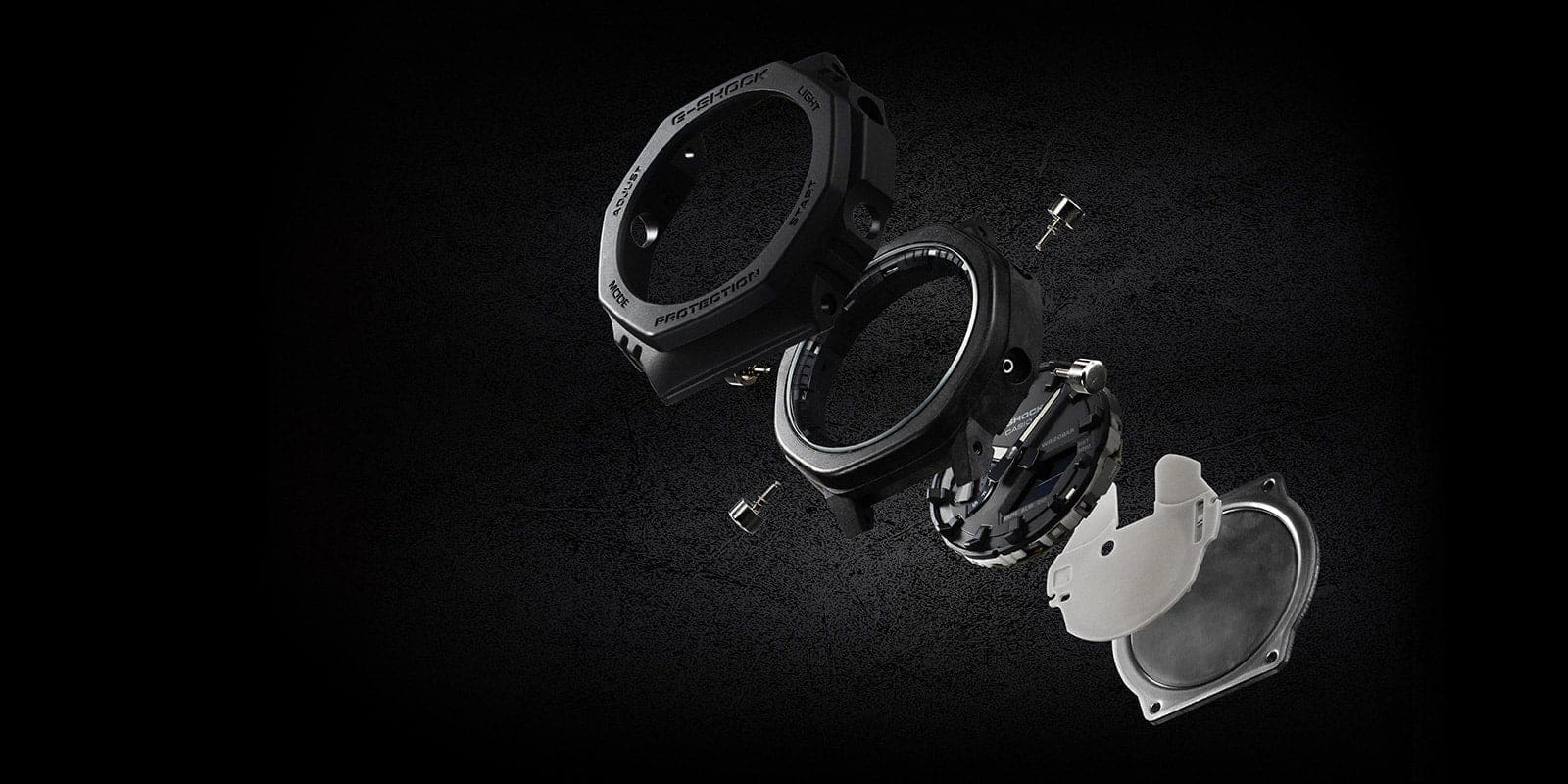
Shock and vibration resistance requires shock absorption, which is easier to design and implement in a large watch case. However, the GA2100-1A1 is only 11.8mm thick, making shock absorption particularly challenging. The Carbon Core Guard structure quickly elevated the 2100 series to iconic status in 2019, due to its innovative shock-resistant design in a slim case.
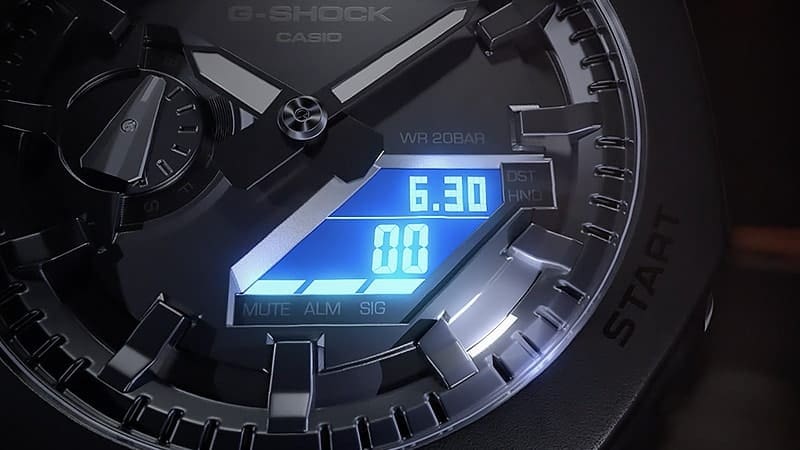
The double LED light separately illuminates the analog watch face and digital display for visibility in dark conditions. A hand-shift feature can also move the hands away from the digital window, while selectable 12- and 24-hour formats support conventional or military timekeeping.
Field Ready Functions
The GA2100 series uses a carbon fiber-reinforced resin case to protect the module and strengthen the watch from within. This Carbon Core Guard structure supports the GA2100-1A1’s slim 11.8mm profile and light 51-gram weight without sacrificing G-SHOCK shock resistance.
Its monochromatic black finish gives the GA2100-1A1 a low-profile blackout appearance, while the signature octagonal bezel and layered analog-digital dial provide a sleek look. An approximately three-year battery provides long-term dependability with fewer battery changes.
For travel or global operations, World Time covers 31 time zones, 48 cities, and Coordinated Universal Time. Five daily alarms and an hourly time signal help the wearer manage multiple checkpoints or recurring tasks, while a 24-hour countdown timer can track longer activities or field operations.


Shop G-SHOCK tactical watches built with shock and water resistance for extreme conditions.
Top Military Watches | Compass | Non-Bluetooth | Long Battery Life | Additional | Why G-SHOCK? | FAQ