



Free shipping on orders over $99
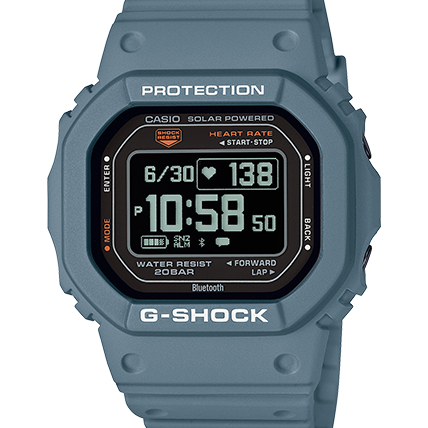
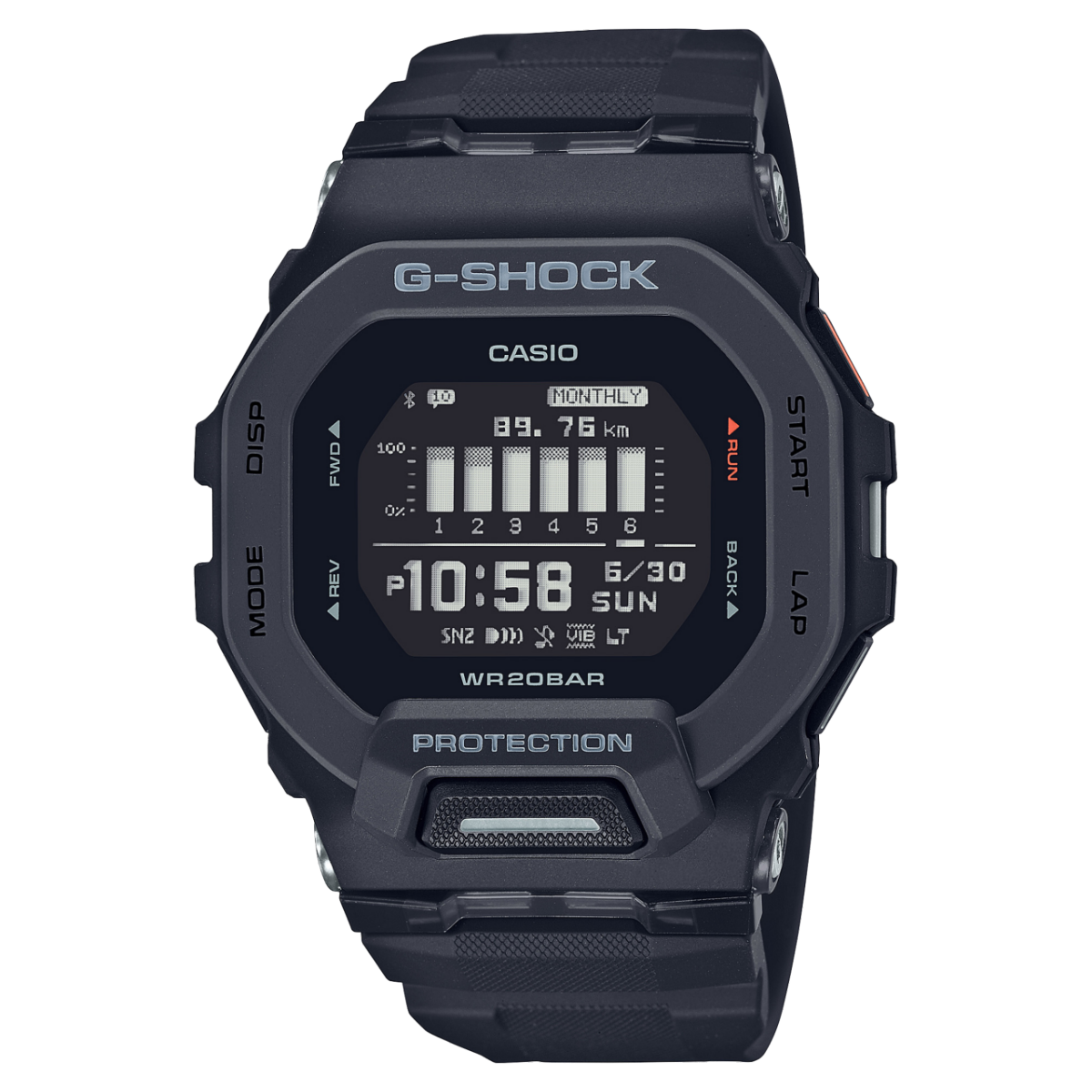
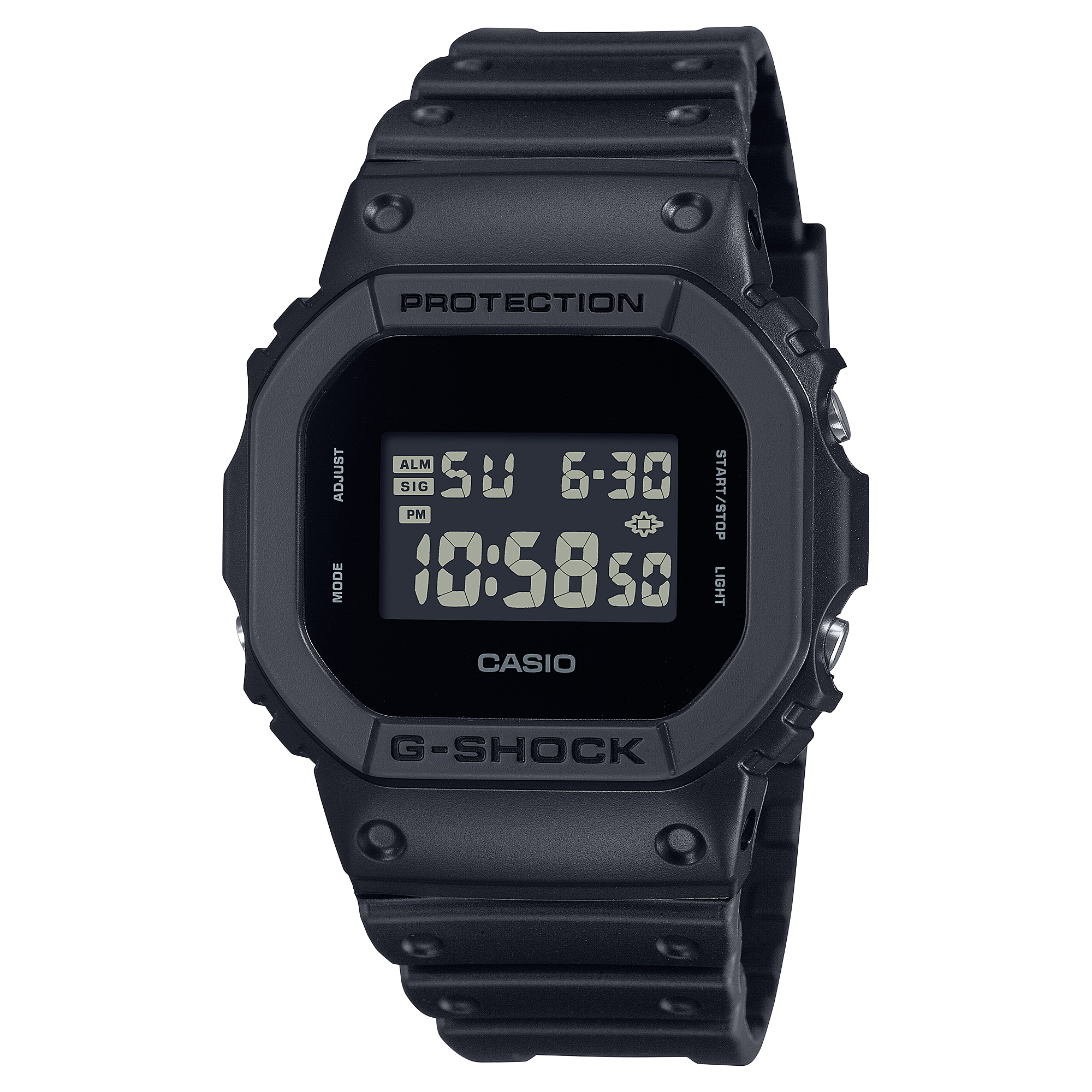
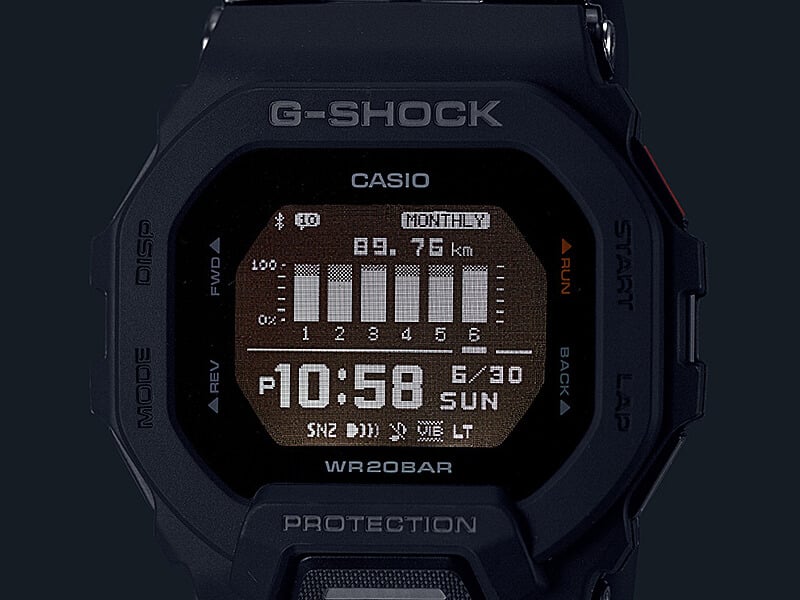
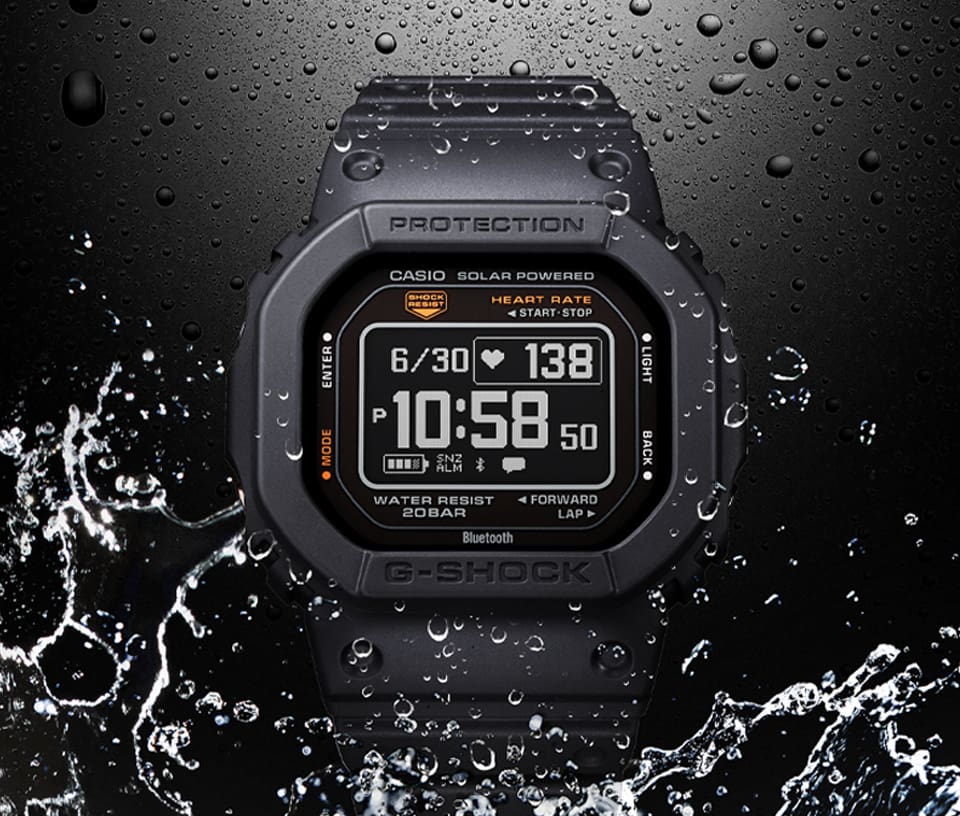
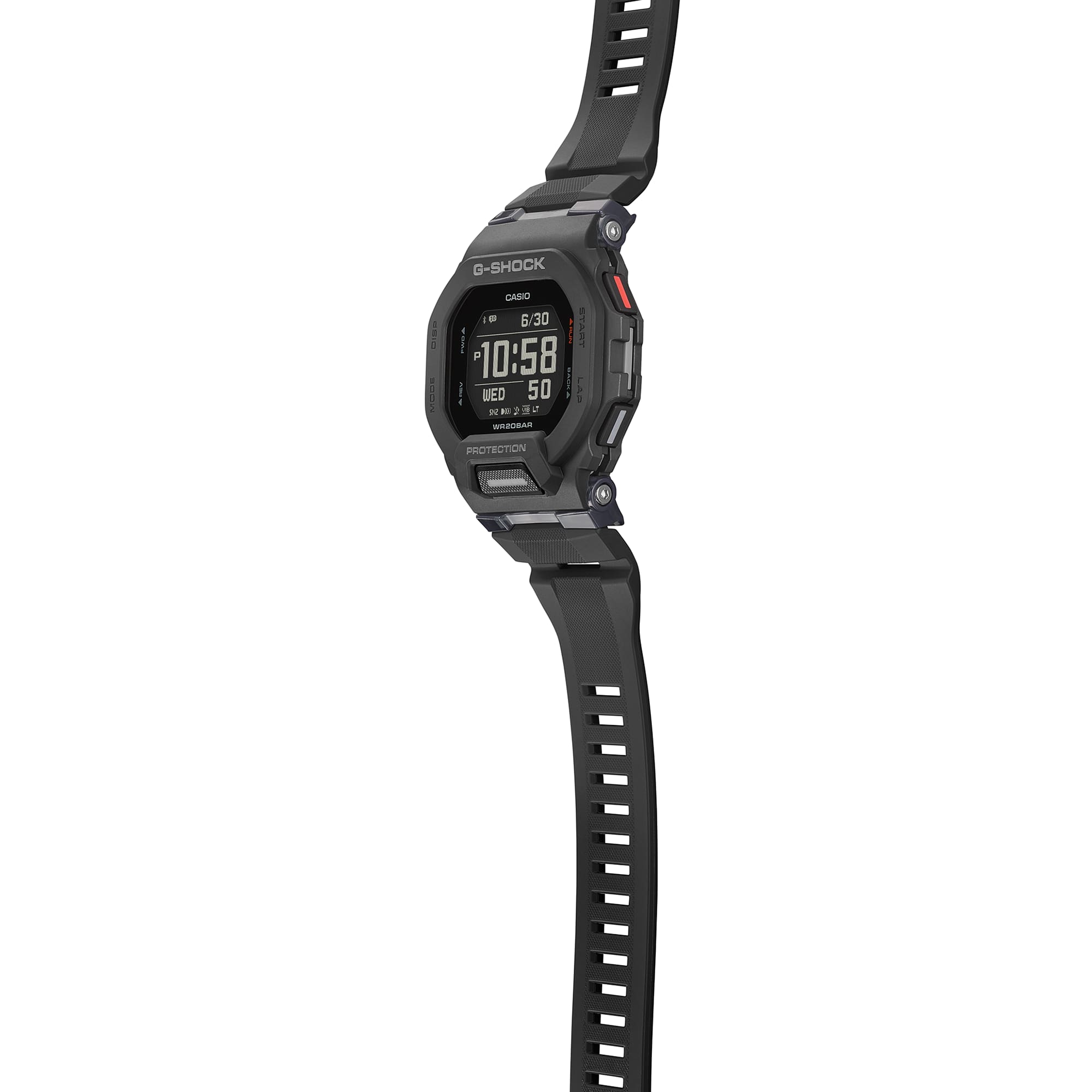
In 2026, five G-SHOCK models underwent testing using selected MIL-STD-810 methods, including the G-SHOCK GBD200-1. This all-black mil-spec watch offers training and workout functions through an accelerometer sensor, Bluetooth® connectivity, and a high-contrast Memory in Pixel (MIP) LCD. These advanced-tech features are housed in an iconic compact square design with legendary G-SHOCK shock resistance and 200-meter water resistance.
Mil-Spec Watch Testing
In a laboratory test program conducted by Element, an independent testing laboratory, evaluated the GBD200-1 across selected environmental and dynamics procedures covering weather, water, temperature, dust, vibration, shock, and low pressure. After each procedure, Element recorded no physical or visual damage to the tested watches. Discover more G-SHOCK military watches designed for demanding conditions. The G-SHOCK MOVE GBD200-1 is part of the the G-SHOCK MOVE family of watches.

The environmental tests this model underwent provide further validation that G-SHOCK models are able to withstand the harsh conditions the tests are designed to simulate.
*Although the G-SHOCK GBD200-1 underwent the same test program, the watch shown in the video is the MUDMASTER GGB100XM-1A.
The GBD200-1 was one of five G-SHOCK models evaluated in a 12-procedure program. The program covered low pressure at altitude, blowing rain, salt fog, freeze/thaw, random vibration, mechanical shock, high temperature, low temperature, immersion, aggravated humidity, solar-radiation heat loading, and blowing dust. Together, the procedures recreated environmental and mechanical conditions that can challenge equipment used for training, travel, fieldwork, and outdoor activity. Explore the GBD200 collection to see how G-SHOCK Absolute Toughness was applied to a military watch designed to assist in training and workout routines.
Salt-heavy air, driving rain, prolonged humidity, and immersion can each expose a different weakness. The GBD200-1 faced all four, bringing its connected training technology into a test program built around uncompromising water and weather challenges.
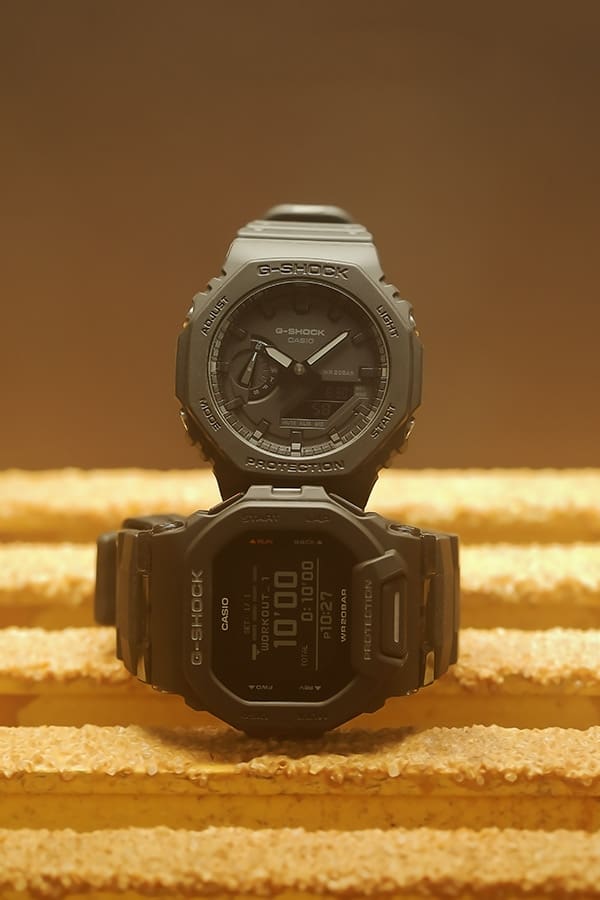
The GA2100-1A1 mil-spec watch and GBD200-1 (bottom) during salt-fog testing.
Salt fog brought a prolonged, corrosion-focused challenge. Under MIL-STD-810G, Method 509.5, the GBD200-1 spent 24 hours in a 95°F chamber filled with approximately 5% salt mist, followed by 24 hours of drying. The entire sequence was repeated. The watch remained powered and operational throughout, and Element recorded no post-test corrosion, physical, or visual damage.
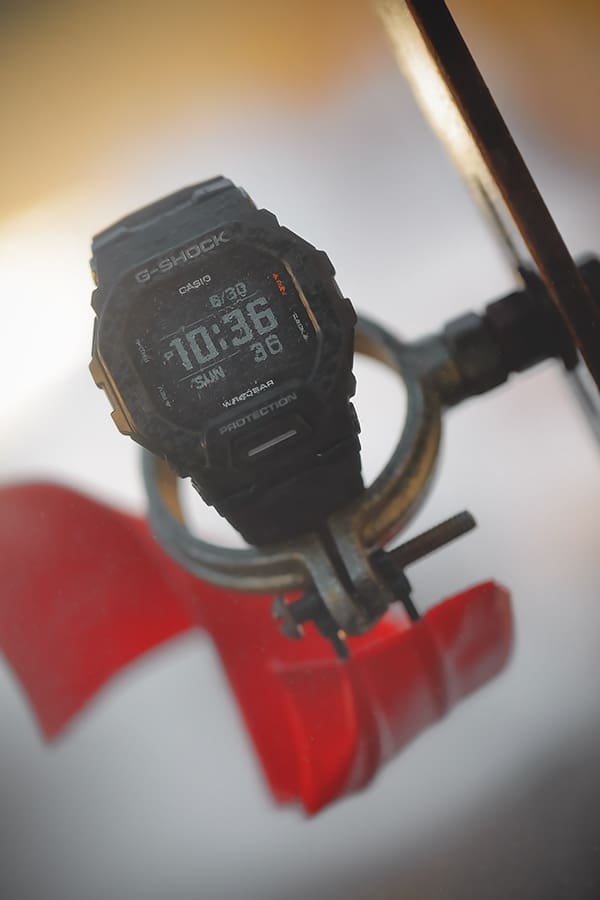
The GBD200-1 endures the blowing rain test.
Driving rain brought a different kind of intensity: 40 MPH wind with water delivered at four inches per hour. A separate immersion procedure placed the military watch one meter underwater for 30 minutes. The GBD200-1 mil-spec watch completed both procedures without physical or visual damage.
Aggravated humidity extended the moisture exposure through warm, high-humidity conditions, with the same result recorded by Element: no physical or visual damage. Together with 200-meter water resistance, these laboratory results strengthen the credentials of the GBD200-1 for wet workouts, changing weather, and demanding field conditions.
Temperature extremes and airborne dust simulations brought a separate set of hazards. The GBD200-1 underwent high- and low-temperature exposure, solar-radiation heat loading, blowing dust, and a 20-cycle freeze/thaw profile.
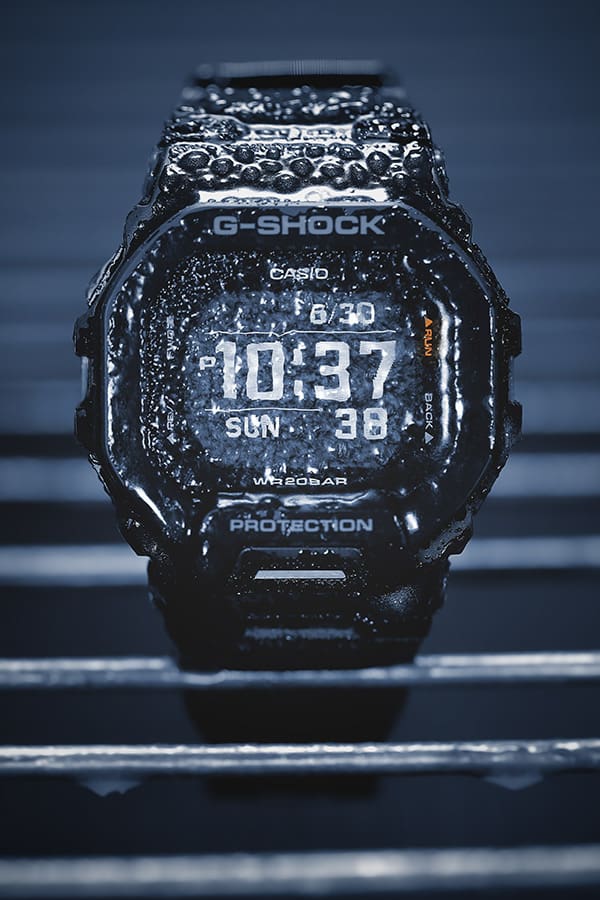
Moisture condenses after repeated freezing and thawing of the GBD200-1.
The grueling freeze/thaw cycle followed MIL-STD-810H, Method 524.4, Procedure I, wherein the chamber temperature moved from approximately 22°C (72°F) to a freezing setpoint of -11°C (12°F), followed by a thaw stage at 6.5°C (44°F). Frost repeatedly formed across the GBD200-1 during the 20-cycle profile. At the conclusion of testing, the watch remained functional, and Element recorded no physical or visual damage.
Separate procedures exposed the GBD200-1 to high temperatures reaching 65°C (149°F), low temperatures reaching -20°C (-4°F), three 24-hour solar-radiation heat-loading cycles, and blowing dust across six faces. Element recorded no physical or visual damage after each procedure. From frozen moisture to chamber heat and airborne dust, the GBD200-1 delivered a strong result across harsh simulated conditions.
Explore the resistance and training features of the GBD200-1 that matter most to military operations, law enforcement, and physical training.
The watch shown in the video is the GBD200-9, a different colorway in the same GBD200 collection. Only the GBD200-1 was included in the MIL-STD-810 test program
Environmental exposure was only one part of the MIL-STD-810 testing program. Random vibration, sudden mechanical shock, and reduced air pressure tested the GBD200-1 against forces associated with transport, impact, and altitude.
Element applied a random-vibration profile spanning 20 to 2,000 Hz at 7.7 Grms for one hour along each of three axes. Across three hours of continuous, irregular shaking, the GBD200-1 completed the procedure without physical or visual damage.
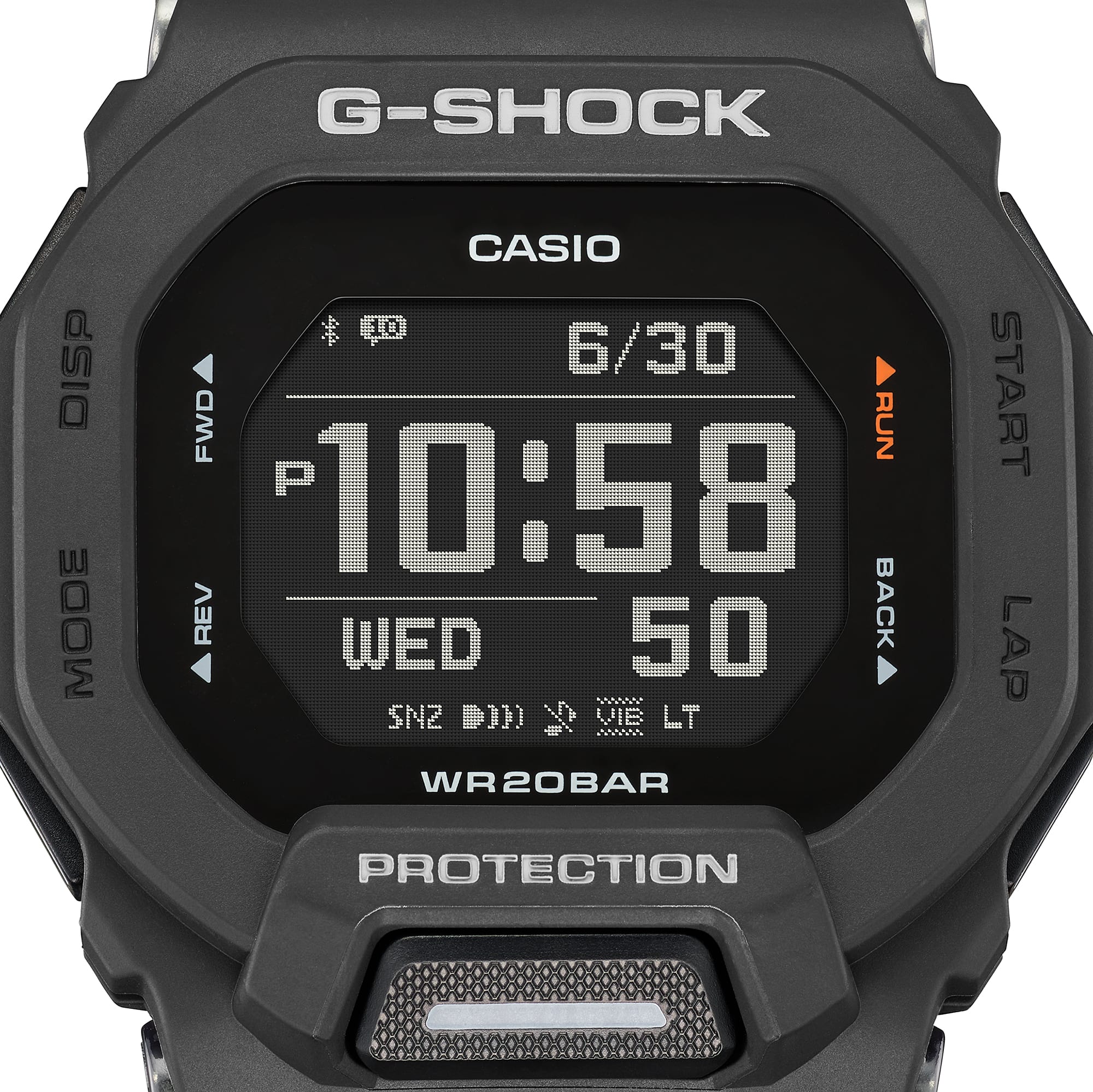
The high-definition MIP LCD was checked after each test and no physical or visual damage was noted.
During mechanical-shock testing, Element secured the GBD200-1 military watch to a drop-tower fixture that completed 18 drops from nearly 10 feet, applying positive and negative shocks along all three axes. The GBD200-1 completed the procedure with no physical or visual damage, reinforcing the legendary G-SHOCK reputation for shock-resistant construction.
Low-pressure testing extended the evaluation to simulated altitude. Inside a chamber recreating the thin air at 15,000 feet, the GBD200-1 remained powered and operational at 8.29 PSIA for one hour. Element recorded no physical or visual damage after the procedure.
In an environment where high-altitude training is a must, the GBD200-1 supports structured physical training with accelerometer-based distance, speed, pace, lap, and calorie data, and includes Bluetooth® connectivity to your smartphone. Changing weather and difficult environments do not hinder the tough performance of the GBD200-1.
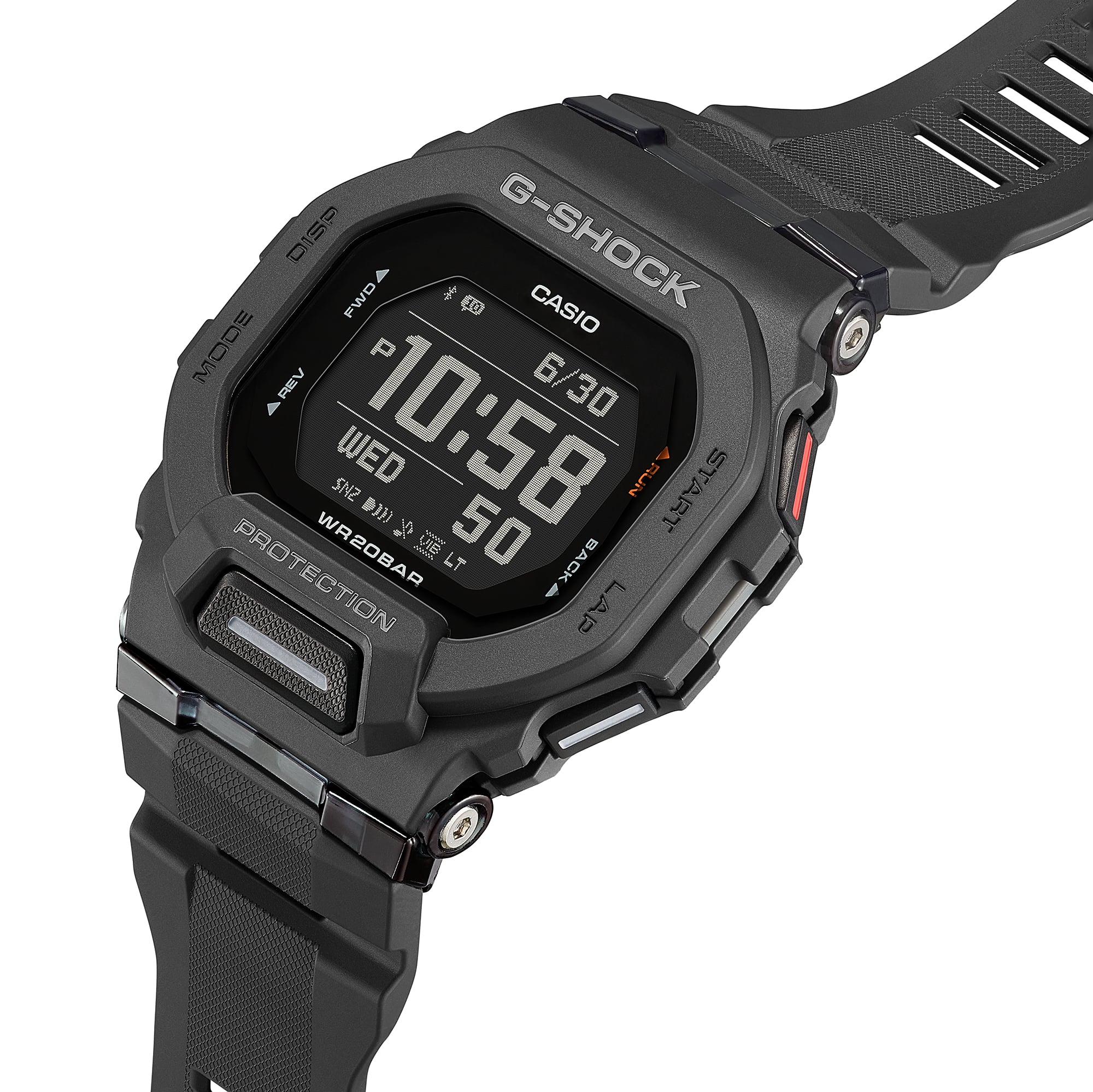
These mil-spec test results carry particular weight in a 58-gram digital watch designed for active movement. The GBD200's interlocking case and bezel produce a compact 15 mm profile, while its soft urethane band uses ventilation openings and multiple adjustment holes to support a secure, comfortable fit during training.
Field Ready Functions
The GBD200-1 stands apart within the mil-spec collection as a G-SHOCK MOVE training watch. For service members preparing for military physical fitness requirements, its accelerometer-based Training function can make timed runs, interval sessions, and paced workouts easier to measure and review. During a run or training session, the watch calculates distance, speed, pace, elapsed time, calories burned, and lap data. Auto and manual lap timing, auto pause, and target alerts for time or calories help structure a session, while customizable training screens let users prioritize the information they need. The watch stores up to 100 runs and up to 140 lap times per run; daily step counts and monthly running-distance data provide longer-range context and goal setting. The high-definition, high-contrast Memory in Pixel (MIP) LCD keeps time and training data easy to read. A Super Illuminator LED backlight ensures easy viewing of the MIP LCD display during night operations or evening exercise routines, while vibration alerts can provide quieter cues for elapsed time, calories burned, calls, email, social media, calendar notifications, and reminders.


Shop G-SHOCK tactical watches built with shock and water resistance for extreme conditions.
Top Military Watches | Compass | Non-Bluetooth | Long Battery Life | Additional | Why G-SHOCK? | FAQ